How to choose the best knee replacement plan for you
Synopsis
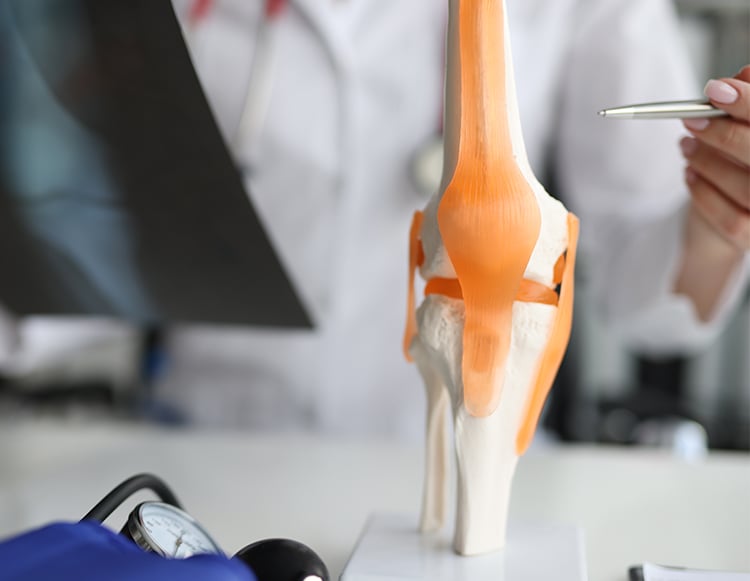
One of the most common questions patients ask is, “How do I know which treatment option is best for my pain?”
If knee pain is limiting your daily life and preventing you from enjoying the activities you love, surgery might be the next step in treatment. However, deciding whether to proceed and selecting the best surgical option requires thoughtful discussion and shared decision-making.
The truth is knee replacements are not one-size-fits-all. The best plan balances your health, anatomy, personal goals, and recovery expectations.
As an orthopedic surgeon performing joint replacement at Reid Health Orthopedic & Spine, I care for patients with joint pain and help them determine whether joint replacement surgery is the right choice for them.
My goal in this article is to help you plan what questions to ask and how to get the information you need to feel empowered about your health.
Start with the right questions
A good consultation with a provider should be an earnest conversation, not a sales pitch. Asking thoughtful questions helps you understand your options and builds trust with your care team.
Consider asking:
- What surgical approaches are appropriate for my knee?
- Why are you recommending this plan?
- What should I expect during recovery?
- How soon will I begin moving after surgery?
- What risks should I understand?
- What outcomes are realistic for someone in my state of health?
These questions open the door to shared decision-making, where your goals and your surgeon’s expertise come together to determine the best path forward.
Personalized care planning matters
No two knees - or patients - are the same.
A personalize plan considers:
- Your anatomy and joint condition
- Age and activity level
- Overall health
- Previous surgeries
- Lifestyle and recovery goals
The purpose isn’t to follow trends it’s to choose an approach that optimizes safety, precision, and healing.
Patients often feel reassured when they understand why a specific plan is recommended.
Experience truly matters
When patients are exploring their treatment options, they’re often drawn to messaging about the “newest” surgical method. Although innovation plays an important role in advancing care, the most reliable outcomes come from approaches supported by strong clinical evidence and well-established surgical principles proven to work consistently over time.
An experience surgeon:
- Focuses on evidence-based techniques proven to be reliable and durable in long term outcome studies
- Understands multiple surgical approaches
- Selects techniques based on patient needs
- Anticipates challenges
- Prioritizes safety
The right question isn’t just which technique will be used, but who’ll be performing it and whether it’s the best approach for your unique situation.
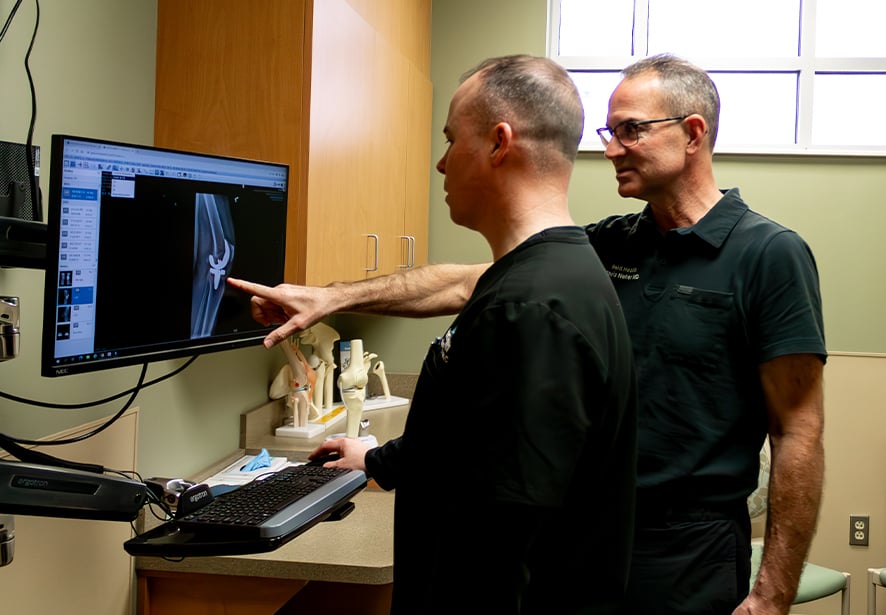
Orthopedic care backed by experience
- 7 orthopedic surgeons covering spine, sports, trauma, and heand specialties - all trained in multiple surgical approaches
- 8 physician assistants and a nurse practitioner
- Dedicated walk-in ortho clinic staffed by experienced care providers
- High-volume outpatient joint replacement program
- Same-day discharge available for qualified patients
- Longstanding experience with robotic-assisted joint replacement technology
Define your recovery goals
Recovery means different things to different people.
Some patients want to:
- Walk comfortably without pain
- Return to hobbies
- Travel more easily
- Stay active with family
Sharing these goals helps your care team tailor expectations and rehabilitation planning.
Clear goals will make recovery feel purposeful and not overwhelming.
What a good knee replacement plan includes
A thoughtful surgical plan address more than the operation itself.
It should include:
- Clear explanation of the surgical approach
- Pain management strategy
- Early mobility plan
- Physical therapy guidance
- Follow-up care
Knowing what to expect reduces anxiety and builds confidence.
Frequently Asked Questions
Take the next step in your care
Choosing a knee replacement plan is about partnership
When decisions are thoughtful and individualized, patients feel more prepared, recovery becomes clearer, and outcomes improve.
The best next step is an open conversation with your orthopedic team about what matters most to you.