Packing a lunch that keeps kids full and focused
Synopsis
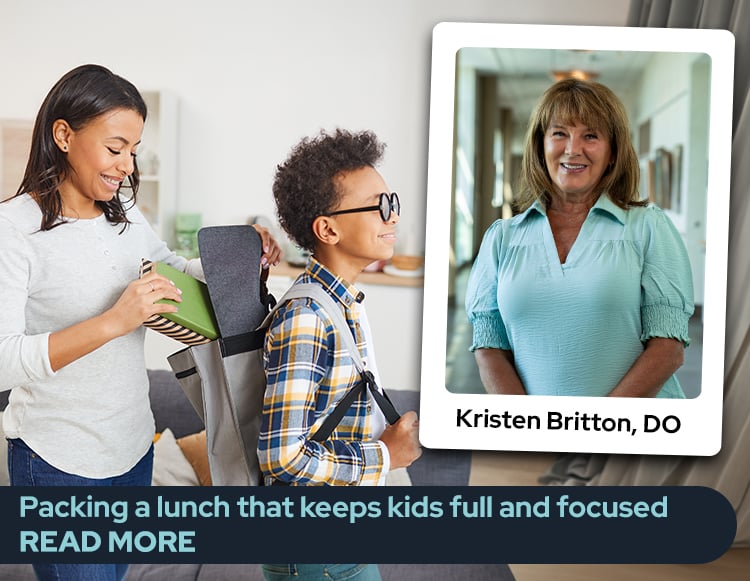
It’s after dinner and you find yourself standing in front of the fridge, doors open, trying to find something your child will actually eat for lunch the next day.
For many parents, lunch can feel like one more thing they have to think about.
But planning your child’s lunch is about more than getting them through the afternoon. What they eat at lunch provides energy for learning, playing, and growing.
Packing a lunch doesn’t have to be expensive or complicated. Here are a few tips to help you build balanced school lunches that last.
Keep it simple
First, get your child involved in the decision-making process. Foods they like and are interested in are more likely to be eaten than foods chosen entirely for them.
As a team, think about what foods should be included to make a balanced, nutritious meal that will provide energy throughout the day. Remember to include a variety such as colorful fruits and vegetables, whole grains, and a protein source.
Let your kids come up with ideas for what they’d like to take such as sandwiches, yogurt and fruit, or crackers and cheese. Finger foods and bento-style lunches can make lunchtime easier while offering a variety of different foods, colors, and shapes.
If you include prepackaged foods, make sure your child can open them on their own without assistance.
What if my child is picky?
Start with foods your child already enjoys and then give them opportunities to try something new alongside familiar foods.
Let them help prepare their lunches. Younger children can help wash fruits and vegetables. Older children can help with food preparation and eventually take on more responsibility for packing their own lunches.
That’s a win for everyone. Your child gets some ownership of their food, and you get a little help with lunch.
Make packing lunches easier
Don’t wait until bedtime or the last minute in the morning to pack lunch.
If you have a less-busy day during the week, do some preparation ahead of time. Wash and cut fruits and vegetables, prepare foods such as chicken, or portion snacks so they’re ready to grab.
And don’t feel guilty about using convenient options when you need them. Pre-cut produce, pre-cooked chicken, and canned items can save time. When choosing canned foods, look for options without added sugar or lower in sodium. When appropriate, rinse and drain canned foods before serving.
You can also have your child pack their lunch the night before. Give them a few choices and let them build their own lunch from those options.
Sometimes the easiest healthy lunch is the one you have already made for dinner. Put those leftovers aside, and tomorrow’s lunch is halfway done.
What if packing a healthy lunch isn’t always possible?
Schedules are bound to change. Meetings take longer than anticipated. Practices or games run over. We’ve all been there.
What we plan and what actually happens can be two different things, and packing lunches might be the first thing we let go from our checklist in order to get other things done.
As parents, we might feel guilty or like we’ve done something wrong if we haven’t put together the nutritious, well-planned lunch we’d like for our kids.
We might also face other factors.
Food costs, access to healthy food, time, and resources can all affect what families are able to put on the table.
Our community has identified food insecurity and access to nutritious food as ongoing concerns. Some families rely on food pantries, churches, or other emergency food resources. Others might have limited access to full-service grocery stores or might not have the time or tools needed to prepare certain foods
It’s OK. Give yourself some grace.
Healthy eating doesn’t have to mean an elaborate lunch or expensive ingredients. Meal planning and preparing food ahead of time can help make the most of what you have.
And if you aren’t packing a lunch, school meals are a good option, too. Schools participating in child nutrition programs have access to a variety of foods, such as fruits, vegetables, dairy products, and whole grains.
Where can I find affordable meal ideas?
If you’re looking for some help, Gleaners Food Bank offers nutrition education resources through its Healthy Ways resources, including downloadable recipes and video demonstrations.
Its Cooking Matters program is another resource that focuses on helping people learn how to cook on a budget.
Resources like these are valuable to help make a healthy meal with the time, money, and ingredients available.
Don’t overthink the lunchbox
Don’t feel like you have to create a perfect lunch to power your child through the day.
Think about variety and foods that provide the energy and nutrients your child needs. Let your child help when they can. Prepare some things ahead of time when it makes your week easier.
Remember, a nutritious lunch is one that helps your child feel full, stay focused, and have the energy to learn, play, and grow.
It doesn't have to be fancy. It just has to work for your child and your family.
New Podiatry Patients
Click the link or call to request an appointment.