Can my child go to school with a cough or fever?
Synopsis
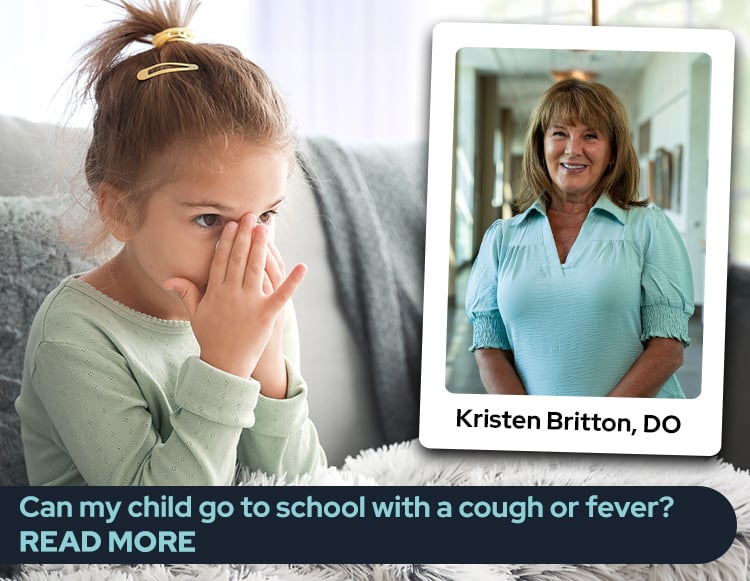
You’re busy going through the morning school routine — everyone is up and getting ready, backpacks are by the door, and then you hear it: A cough.
During the school year, parents often ask us: If my child has a cough or fever, should they stay home, or can they still go to school?
Those early mornings when you’re in the middle of getting everyone ready and out the door can become more challenging when a sudden cough makes you wonder if your child is well enough for school or needs a day of rest.
To help you decide, the answer depends on more than just the one symptom. It also matters how your child is feeling and whether they're well enough to attend school.
Can my child go to school with a cough?
A cough can have many causes, including allergies and colds. If your child has a mild cough or runny nose but no fever, feels well enough to learn and can manage their symptoms, they might be able to attend school.
If they're eating breakfast, getting dressed, acting like themselves, and ready to participate in the day, an occasional cough usually isn't a reason to keep them home.
Remember, a cough might linger after a cold. Your child doesn't necessarily need to stay home until their cough is completely gone. If the cough is improving and they can participate in activities, cover their cough, blow their nose, and wash their hands, they’re ready for school.
Know when your child needs a day at home
There are some situations when it’s better to keep your child home. A child should stay home when they have a fever or symptoms that make it difficult to participate in a normal school day.
What matters most is whether your child feels well enough to get through the school day and whether they could spread an illness to others.
It's also a good idea to know your school's illness policies, including when children should stay home and when they can return.
Does my child have a fever?
If your child has a fever of 100.4°F or higher, it's best to keep them home and let them rest.
Before they can go back to school, they should be fever-free for at least 24 hours without fever-reducing medication, such as acetaminophen or ibuprofen.
Is the cough severe or difficult to control?
If your child's cough is frequent enough to affect their ability to focus, participate in class, or comfortably get through the school day, it's a good idea to keep them home.
Are symptoms getting worse?
If your child seems to be getting worse instead of better, they should stay home. The same is true if their cough is accompanied by vomiting, diarrhea, or difficulty breathing.
What if my child has asthma?
A cough doesn't automatically mean a child with asthma needs to stay home. If their asthma is well controlled and they can follow their asthma action plan, they might be able to attend school.
However, increased or persistent coughing, wheezing, chest tightness, or difficulty breathing might be signs that their asthma isn't well controlled. They might need to be checked by their pediatrician or primary care provider (PCP).
When to have your child’s cough evaluated
Most mild colds can be managed at home, but some symptoms might require medical attention. Call your child's pediatrician or PCP if they're having trouble breathing, seem unusually tired or difficult to wake up, aren't drinking enough fluids, show signs of dehydration, or are getting worse instead of better.
Trust your instincts, too. You know your child best. If they seem significantly different from their usual self or something about their illness doesn't seem right, it's always OK to call their pediatrician or PCP.
Make sure your child is ready to return
Once they're feeling better, their symptoms are improving, and they've been fever-free for at least 24 hours without medication, they might be ready for school.
Remind your child to cover their cough, wash their hands frequently, and use tissues when needed to help prevent the spread of illness.
The next time you're standing in the kitchen and hear a morning cough, ask yourself not only, "Can my child go to school?" but also, "How is my child feeling, and can they make it through a school day?"
If you’re concerned about your child’s cough, fever, or other symptoms, schedule an appointment with your child’s provider or Dr. Britton. Getting the right care can help your child feel better and give you peace of mind.