Emergency Care
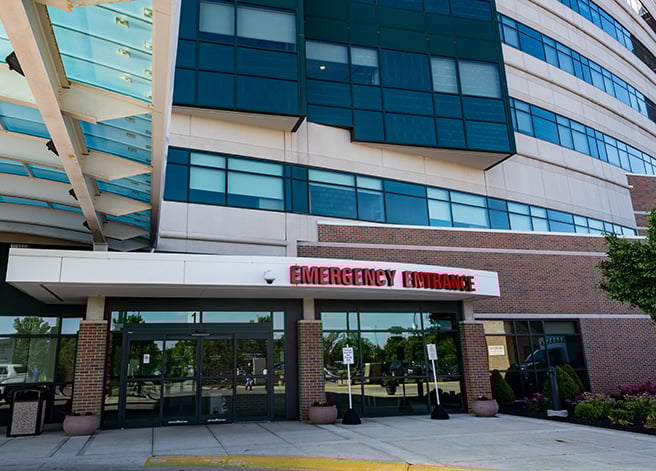
In an emergency, every second counts. Our highly skilled team is here to give you the best care when you need it most.
Trained specialists here to serve you
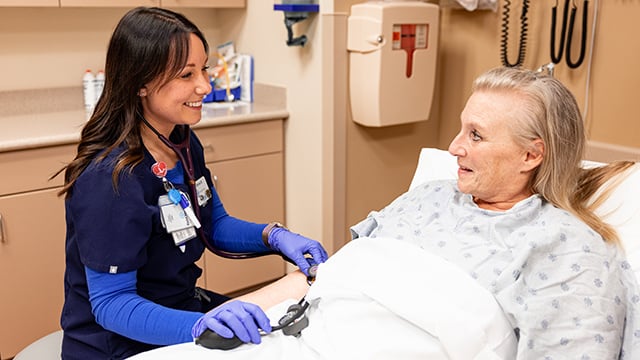
When life takes a turn, you need a team you can trust to provide the very best care possible to you and your loved ones. Our team of emergency medicine doctors, surgeons, anesthesiologists, nurses, and other staff is on-call 24/7, ready to care for all those who need us, including pediatric patients. Specialists, such as orthopedic doctors and cardiologists, are also available when needed. Reid has been verified by the American College of Surgeons as a Level III trauma center in recognition of our dedication to providing optimal care for our emergency patients. We also have agreements with Level II and Level I facilities, should your care require a transfer.
Is it a true emergency?
Insurance companies view an emergency as a recent, sudden, and severe health condition that could end or severely affect a person's life. In general, an emergency would lead a person with an average knowledge of medicine and health to believe his or her condition, sickness, or injury needs immediate medical attention.
Seek emergency care immediately if you believe:
- Your or someone else’s life is in serious danger, or
- Serious damage to your or someone else’s bodily function or body parts will occur
Such conditions include but aren’t limited to:
- Chest pain
- Poisoning
- Serious breathing problems
- Severe burns or cuts
- Seizures
- Stroke
- Unconsciousness
- Uncontrolled bleeding
When to call 911
If you or a loved one has any of these conditions, call 911 immediately:
- Any symptom of a heart attack, including chest pain, pain in the jaw or left arm, or sudden weakness or dizziness
- Life- or limb-threatening injury
- Shortness of breath or difficulty breathing
- Signs of a stroke, including numbness, slurred speech, severe headache, weakness on one side of the face, or loss of consciousness
Emergency care or urgent care?
We have a variety of care options available throughout East Central Indiana and West Central Ohio, including emergency care and urgent care facilities. Use the lists below to help you decide the best place to seek treatment.
Emergency care
- Any life-threatening or disabling condition
- Chest pain
- Coughing up or vomiting blood
- Cut or wound that won’t stop bleeding
- High fever with stiff neck · Mental confusion
- Major injuries
- Numbness in face, arm, or leg
- Possible broken bones
- Severe shortness of breath
- Sudden difficulty speaking
- Sudden or unexplained loss of consciousness
When to seek urgent care
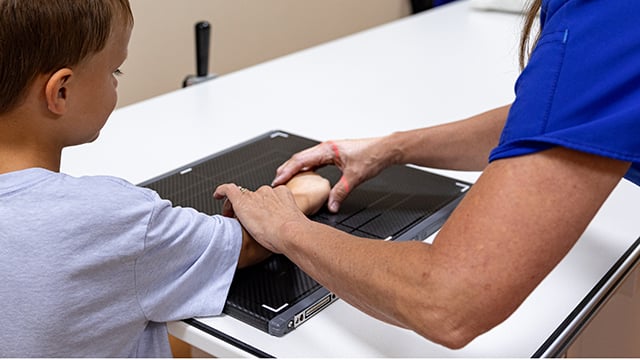
If you need care right away for an illness or injury that isn’t life-threatening, Reid Health Urgent Care is here to help. Visit urgent care for conditions such as sprains or minor fractures, ear or sinus infections, coughs, sore throats, rashes, minor burns, cuts needing stitches, or flu-like symptoms.
If you ever experience chest pain, shortness of breath, severe abdominal pain, sudden numbness, or confusion, call 911 or go to the nearest emergency department immediately.
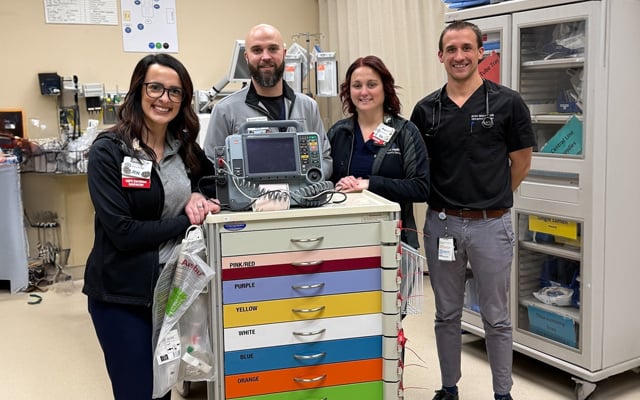
Ready to care for your child when you need us most
If your child is injured or significantly ill, you can trust us to give them the very best care possible. Our Emergency Department has been recognized as a Pediatric Ready Level Facility by the Indiana Emergency Medical Services for Children (IEMSC). This four-year designation ensures children will receive expert care for severe or unexpected illnesses and injuries, improving outcomes. Providing high-quality pediatric emergency care requires specialized lifesaving equipment, access to supplies and medications, and ongoing training and education for medical staff and therapists.
National recognition for stroke care
Reid Health is now a Primary Stroke Center. Time is critical in stroke care and anyone experiencing stroke-like symptoms should go to the closest, most appropriate facility immediately.
If Reid Health happens to be the closest option, the Primary Stroke Center certification means the latest treatment protocols will be followed in rapid fashion, including, when appropriate, quick transfers to Comprehensive Stroke Centers.
Take the next step in your care
Awards and Accolades
Level III Trauma Center
Primary Stroke Center
AHA’s Get With the Guidelines – Stroke Gold Plus
AHA’s Get With the Guidelines – Stroke Rural Recognition Gold
Healthgrades
For three straight years, we’ve been among the nation’s top 5% of hospitals for clinical excellence, according to Healthgrades.