Heart Attack
Seconds count during a heart attack. The Reid Health Heart & Vascular Center serves East Central Indiana and West Central Ohio with advanced heart attack care.
The right place when heart attacks happen
When a heart attack occurs, seconds can mean the difference between full recovery and long-term complications or even death. Reid Heart & Vascular Center has the technology, expertise, and experience to help people having a heart attack recover as quickly and fully as possible.
What is a heart attack?
Heart attacks are among the most common medical emergencies. They’re often shown in television shows and movies for dramatic effect, and almost everyone knows someone who has had one. But not everyone knows exactly what a heart attack is or what the warning signs are.
Heart attacks happen when the heart doesn’t get the oxygen it needs to function. Blood flow is typically reduced or cut off because of a buildup of plaque, which consists of fat, cholesterol, and other substances inside the coronary arteries. This is called coronary artery disease. Eventually, the plaque can break free, causing a blood clot to form and blocking blood flow through the artery, which can ultimately lead to a heart attack.
Common heart attack symptoms
The most common heart attack symptom is chest discomfort that feels like pain, pressure, fullness, or squeezing in the chest. Other symptoms can include:
- Breathing difficulties: Shortness of breath — with or without chest discomfort — can make it difficult to breathe.
- Cold sweat: During a heart attack, patients might begin to sweat despite feeling cold.
- Upper body discomfort: A heart attack can cause discomfort or pain in one or both of the arms, the back, jaw, neck, or shoulders.
- Weakness: A heart attack might cause you to feel weak or faint.
Heart attack symptoms in women
Although men and women both can experience the symptoms above, women can experience heart attack symptoms differently than men do.
Heart attack symptoms in women can include:
- Dizziness: Women might experience a sensation of lightheadedness or an off-balance feeling that can occur suddenly, which might be dismissed as not serious at first.
- Excessive fatigue: Many women report an overwhelming sense of tiredness that doesn’t go away with rest or sleep. They may dismiss the feeling or attribute it to other factors.
- Indigestion or heartburn: Women might experience discomfort or a burning sensation in the chest or abdomen (belly), often mistaking it for gastrointestinal issues, especially after eating.
- Nausea or vomiting: This can accompany a feeling of sickness in the stomach and could lead to vomiting.
Early heart attack at Reid
Having a heart attack can be frightening, but many treatment options are available at Reid. Each case is unique, but treatments can include:
- Aspirin and antiplatelet medicines to thin the blood and reduce clotting risk
- Beta-blockers to reduce how heart the heart has to work
- Oxygen therapy
- Nitroglycerin to improve blood flow through blocked arteries
Expert, local care for heart attacks
Some people require more intensive treatment during and after heart attacks. Reid Heart & Vascular Center is home to cardiology experts and heart care specialists who offer several options for advanced heart attack treatment, including:
- Coronary angioplasty: This procedure involves inserting a stent inside the blocked artery to restore blood flow. Outcomes are best when performed within two hours of a heart attack.
- Heart bypass surgery: Segments of arteries or veins are placed around the blocked artery to transfer blood away from the blockage.
- Implantable device: A device designed to prevent abnormal heart rhythms is placed in the chest.
Advanced care when it's needed most
A heart attack is a medical emergency. Hesitating when you suspect a heart attack can lead to more heart damage. If you have symptoms, call 911 right away.
The heart health team at Reid can quickly recognize and treat heart attacks. Afterward, we create a long-term plan to improve heart function and prevent future heart attacks.
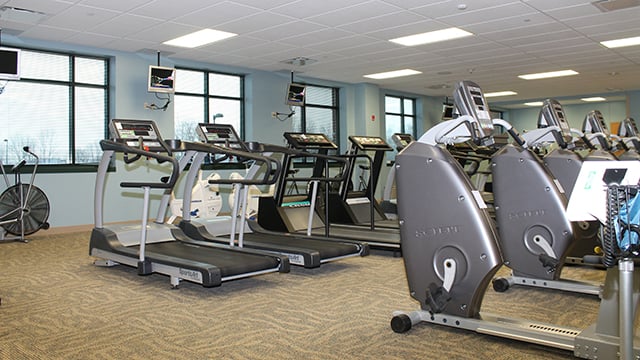
Cardiac rehabilitation
After a heart attack, the heart muscle needs extra care. Learn more about cardiac rehabilitation and how it can help you or a loved one after a heart attack.