Infusion Therapy
Comprehensive infusion therapy close to home
Getting the care you need shouldn’t mean traveling far from the comforts of home. Reid Health’s infusion therapy clinics in Richmond and Connersville are designed with your health and convenience in mind. With expert care available for a wide range of conditions, our clinics offer a local option for people who rely on medical infusions, even if they were diagnosed at a different facility.
Whether you’re managing a chronic condition or autoimmune disease, or you need short-term treatment, our infusion therapy services team provides personalized, effective care in a warm and welcoming environment — because your health journey matters to us.
What is infusion therapy?
Infusion therapy is a way to deliver medication or other treatments directly into your bloodstream through an intravenous (IV) needle or catheter. You might need IV therapy if you can't take oral medications, injections, or other medications that need to work quickly and precisely.
Infusion therapy at Reid Health
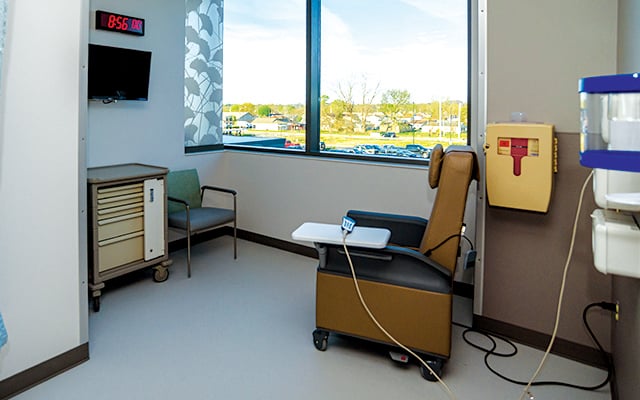
Comfort and care go hand in hand at Reid. Our infusion centers in Richmond and Connersville offer infusions in environments designed to reduce the stress of therapy. You might have your appointment in a private room, semi-private space, or an open area, surrounded by comfortable seating, cozy blankets, Wi-Fi access, and a welcoming atmosphere that feels like home. All options are dependent on availability.
We know infusion treatments can take time, so we provide snacks, drinks, and other conveniences to keep you comfortable throughout your visit. Friends and loved ones are always welcome to join you because having their support can make all the difference.
Cancer Care
Cancer infusions at Reid
Infusion therapy plays a crucial role in cancer care. Many cancer treatments, such as chemotherapy, immunotherapy, and targeted therapies, require infusion to deliver them directly into the bloodstream.
Our expert infusion teams work closely with oncologists at Reid Cancer Center to create personalized care plans tailored to each person’s specific cancer type and overall health needs.
Infusion therapy medications and treatments
Many types of medications and treatments can be given through infusion including:
- Antiemetics: used for nausea, especially in cancer care
- Biologic therapies: often used for autoimmune diseases such as rheumatoid arthritis (RA), Crohn's, multiple sclerosis (MS), asthma, and psoriasis.
- Blood products: packed red blood cells (PRBCs) and platelets (depending on center type)
- Corticosteroids: for inflammation, infusion reactions, or premedication
- IV antibiotics: for severe infections requiring medication to enter the blood stream directly
- IV iron products: for iron-deficiency anemia
- IVIG and immune therapies: For immune deficiencies, autoimmune disorders, and neurological conditions
- Hydration and electrolyte therapy: includes normal saline, magnesium, potassium, etc.
What does infusion treat?
Our infusion centers provide care for both chronic and acute conditions, ensuring you get the specialized treatment you need. Some of the conditions we commonly treat with infusion therapy include:
● Anemia
● Blood disorders
● Chronic pain
● Dehydration
● Immune system issues
● Infections
● Inflammatory bowel disease, such as Crohn’s disease and ulcerative colitis
● Lupus
● Migraines
● Multiple sclerosis
● Osteoporosis
● Rheumatoid arthritis
● Wounds
What to expect during infusion therapy
Reid has two infusion therapy clinics in Richmond and Connersville. When you arrive, you will check in at the front desk. The team member there verifies your appointment, gathers any necessary information, and guides you to the treatment area.
A nurse or medical professional reviews your health history, confirms your type of infusion therapy and dosage, and answers any questions you might have. A trained staff member then inserts an IV line, usually in your arm or hand, to administer the medication. This might involve a brief pinch or discomfort, but it’s done quickly and efficiently.
During your infusion therapy, medications are delivered directly into your bloodstream or other ways. Throughout the session, the care team monitors your vital signs and observes how your body responds to the therapy, ensuring both safety and effectiveness. While you receive the medication, you can rest, read, enjoy entertainment, or spend time with any guests who came with you.
Once the infusion is finished, your nurse might monitor you for a short time to make sure you don’t have an immediate reaction to the medication. Once it’s OK for you to leave, the Infusion Center team member removes your IV line and inspects the site to ensure there are no issues. You’ll discuss any side effects you might experience and what you can do to relieve those, and then you’re free to go home.