Epilepsy
Learn about epilepsy symptoms, diagnosis, and treatment at Reid Health Neurology. Our neurologists provide expert seizure care for adults and children.
Epilepsy care at Reid Health Neurology
Epilepsy is a neurological condition that causes recurring seizures because of abnormal electrical activity in the brain. Seizures can vary from brief moments of staring or confusion to full-body convulsions. Although epilepsy can affect anyone at any age, it’s often manageable with the right diagnosis and treatment plan.
At Reid Health Neurology, our board-certified neurologists provide expert care for adults and children living with epilepsy. We focus on accurate diagnosis, personalized treatment, and compassionate support to help patients live full, independent lives.
Types of epilepsy and seizures
Epilepsy isn’t one single condition; it includes several types based on where and how seizures begin. Common forms include:
- Focal seizures: Start in one part of the brain and could cause twitching, confusion, or unusual sensations
- Generalized seizures: Affect both sides of the brain, often resulting in loss of consciousness or convulsions
- Absence seizures: Brief, sudden lapses in awareness, often mistaken for daydreaming
- Tonic-clonic seizures: Characterized by muscle stiffness, jerking, and sometimes loss of consciousness
- Atonic and myoclonic seizures: Involve sudden loss of muscle tone or quick, jerky movements
Understanding the type of seizure helps guide the best treatment approach for each patient.
Symptoms of epilepsy
Symptoms differ from person to person, but might include:
- Temporary confusion or loss of awareness
- Staring spells or unresponsiveness
- Sudden jerking movements of the arms or legs
- Loss of consciousness
- Unusual sensations such as fear, déjà vu, or dizziness before a seizure
- Extreme fatigue after a seizure
If you or someone you love experiences any of these symptoms, a neurologist evaluation is important for diagnosis and safety.
Diagnosing epilepsy
Diagnosis begins with a detailed medical history, neurological exam, and advanced testing to pinpoint the cause and type of seizures. We use:
- Electroencephalography (EEG): Measures electrical activity in the brain to detect abnormal patterns
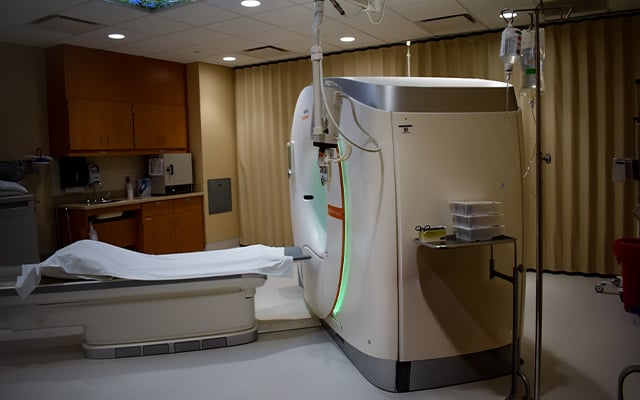
- MRI or CT scans: Identify structural changes or lesions in the brain
- Blood tests and neurological assessments: Rule out other conditions that could mimic seizures
Accurate diagnosis ensures you receive the right treatment for your specific type of epilepsy.
Treatment for epilepsy at Reid Health
Our neurologists develop individualized care plans that could include:
- Medications (anti-seizure drugs): To reduce or control seizure activity
- Lifestyle modifications: Including proper sleep, stress management, and avoiding known seizure triggers
- Dietary therapy: Such as the ketogenic diet, which might benefit certain patients
- Surgical options or devices: For patients who don’t respond to medication, procedures or nerve stimulation devices might help manage seizures.
- Ongoing support and education: Helping patients and families understand epilepsy and live confidently with it
With expert care, many people with epilepsy can live active, fulfilling lives.