Caring for Concussions
Expert concussion care at Reid Health helps you identify symptoms, follow safe recovery steps, and return to play.
Caring for concussions
A concussion is a type of brain injury caused by a bump, blow, or jolt to the head. It can also happen from a fall or impact on the body that makes the head move quickly. Although concussions are usually not life-threatening, they can have serious effects if not treated properly.
Reid Health Sports Medicine providers are ImPACT (Immediate Post-Concussion Assessment and Cognitive Testing) certified, ensuring athletes of all ages — from children to collegiate and professional athletes — receive safe, expert care.
Signs and symptoms of a concussion
Common symptoms could include:
- Headache or pressure in the head
- Balance problems or dizziness
- Sensitivity to light or sound
- Feeling sluggish, groggy, or “not right”
- Ringing or pounding in the ears
- Trouble concentrating or remembering things
- Confusion, disorientation, or dazed appearance
- Clumsiness or slow responses
- Mood, behavior, or personality changes
Call 911 or go to the nearest emergency room immediately if you experience:
- Seizures
- Slurred speech
- Unequal or unusually large pupils
- Double or blurry vision
- Severe headache or neck pain that worsens
- Amnesia
- Persistent nausea or vomiting
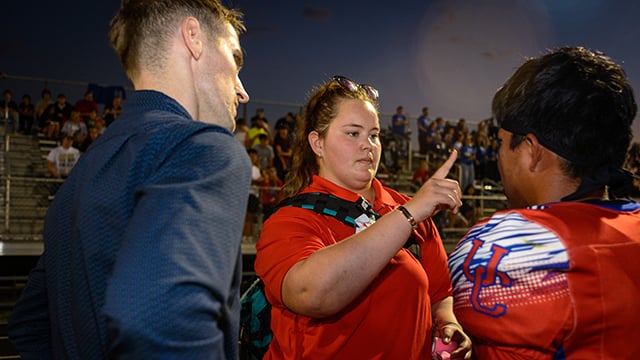
Why choose Reid Health for concussion care
- Certified ImPACT-trained providers for accurate evaluation
- Individualized return to play plan
- Collaboration with athletic trainers and specialists
- Safe, evidence-based treatment for athletes of all ages
We’re committed to ensuring athletes and active-lifestyle individuals recover safely and return to play with confidence.
Quick tips to remember when caring for a concussion
Do NOT:
- Participate in sports, gym class, or physical activity
- Lift weights or exercise
- Drive while symptomatic
- Take anti-inflammatory medications like ibuprofen, aspirin, or naproxen
- Drink alcohol
Avoid:
- Activities that worsen symptoms
- Screens, video games, texting, or prolonged computer use
- Long periods of mental focus without breaks
It’s OK to:
- Use acetaminophen (Tylenol) for pain
- Apply ice packs to the head or neck
- Eat light or regular meals
- Rest and sleep
- Take breaks from strenuous activity
There is no need to:
- Check eyes with a flashlight
- Wake up every hour
- Test reflexes at home
Return to play guidance
After a concussion, careful monitoring and a progressive return to activity are essential.
Follow these steps:
- Check in with the school’s athletic trainer daily.
- Schedule a post-concussion appointment with a Reid Sports Concussion Continuum provider within 48–72 hours.
- Bring all materials from Reid Health to your appointment and review your child’s patient plan.
- Request academic accommodations if needed.
- Schedule follow-up or specialty appointments as necessary.
- If symptom-free for 24 hours, call your provider to move up the appointment.
- Achieve baseline or better results on ImPACT testing.
- Obtain physician clearance to begin return to play (RTP) progression.
Return to play progression:
- Phase 1: Light activity
- Phase 2: Moderate activity
- Phase 3: Heavy activity
- Phase 4: Heavy activity with contact (if necessary)
- Phase 5: Return to full participation
Always complete one phase per day and follow guidance from your athletic trainer and physician.