Sleep Apnea
Get expert diagnosis and treatment for sleep apnea from board-certified specialists at Reid Health’s Sleep Center.
Sleep apnea: Understanding and managing your sleep health
Sleep apnea is a serious sleep disorder characterized by repeated interruptions in breathing during sleep. These pauses can last from a few seconds to minutes and might occur 30 times or more an hour.
If left untreated, sleep apnea can lead to high blood pressure, heart disease, stroke, diabetes, and daytime fatigue.
Types of sleep apnea
Obstructive sleep apnea (OSA): The most common form, OSA occurs when throat muscles relax excessively during sleep, blocking the upper airway.
Central sleep apnea (CSA): This less common type arises when the brain fails to send appropriate signals to the muscles that control breathing.
Complex sleep apnea syndrome: Also known as treatment-emergent central sleep apnea, this condition is a combination of OSA and CSA.
Diagnostic process for sleep apnea
A comprehensive evaluation is essential for diagnosing sleep apnea. This typically involves:
- Medical history review: Discussing symptoms, lifestyle, and family history.
- Physical examination: Assessing physical features that could contribute to sleep apnea.
- Sleep study (polysomnography): Conducted in a sleep center or at home, this test monitors various body functions during sleep, including brain activity, eye movement, muscle activity, heart rate, respiratory effort, airflow, and blood oxygen levels.
Recognizing the symptoms
Common signs of sleep apnea include:
- Loud, chronic snoring
- Gasping or choking during sleep
- Excessive daytime sleepiness
- Morning headaches
- Difficulty concentrating
- Irritability
If you or a loved one experiences these symptoms, it's important to consult a healthcare provider.
Treatment options
Effective treatment options for sleep apnea might include:
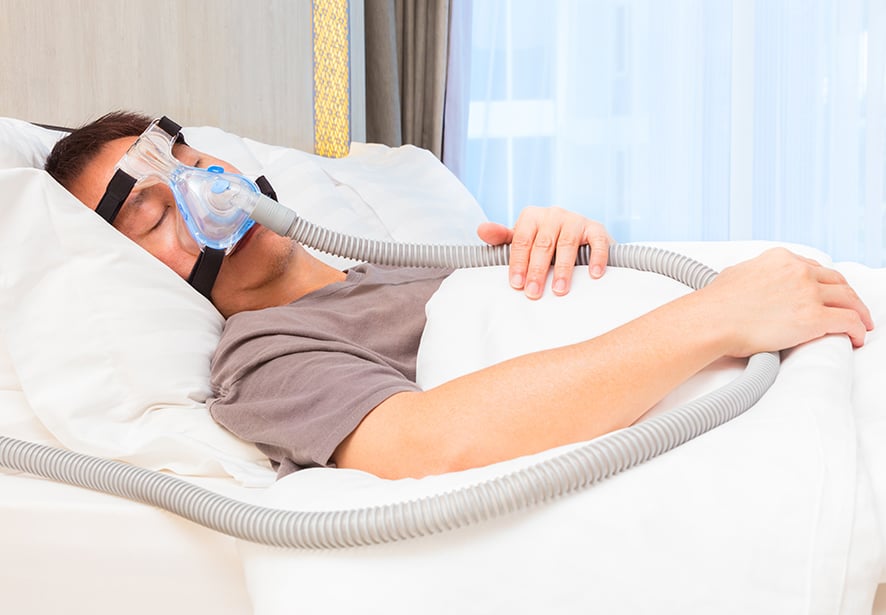
Continuous positive airway pressure (CPAP)

Lifestyle modification
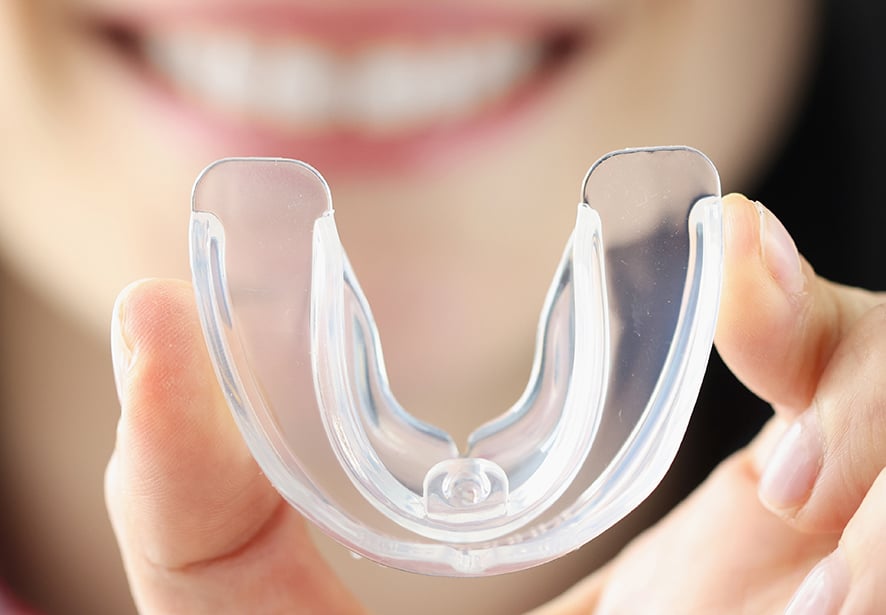
Oral applications
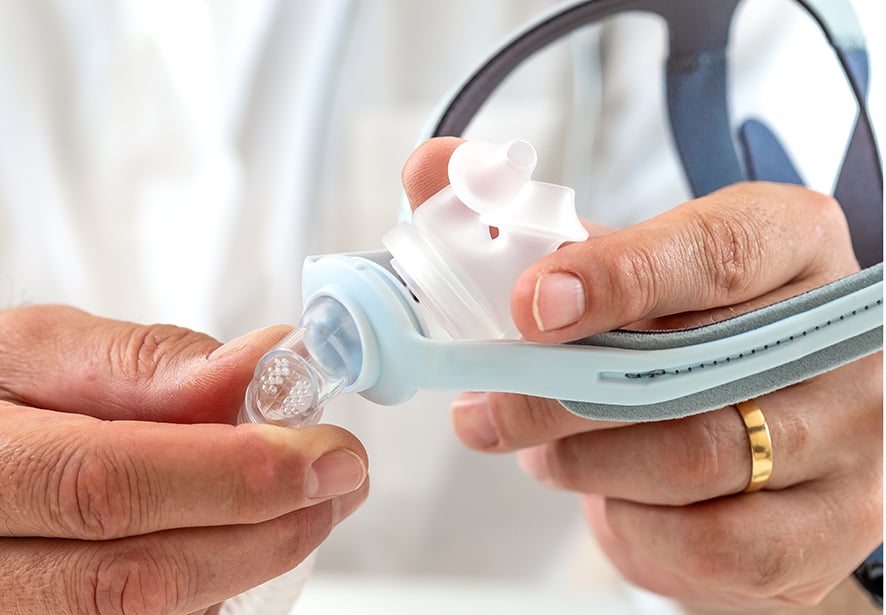
Positive airway pressure (PAP) therapy
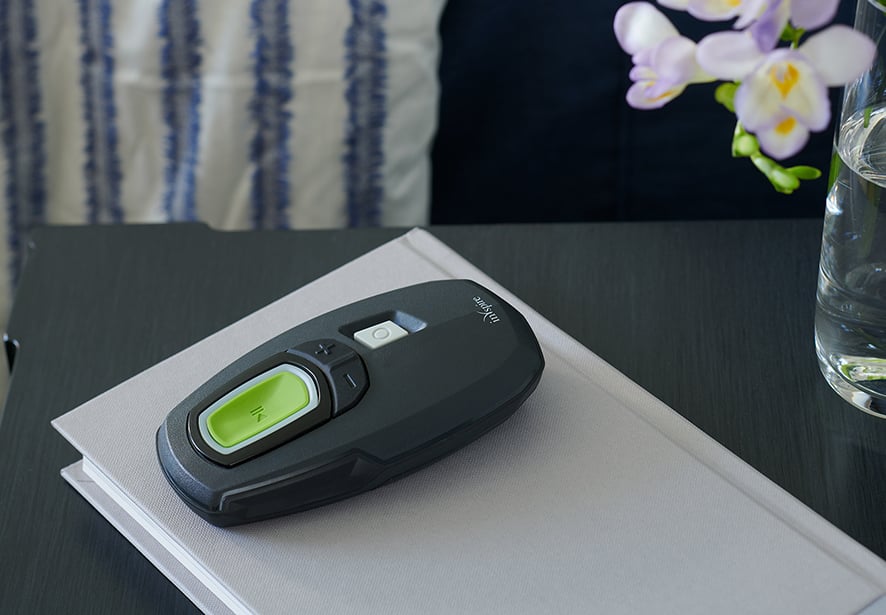
sleep center
Explore Inspire Sleep Therapy
Are you one of the millions of Americans who have tried CPAP therapy without success? Inspire Sleep Therapy offers a new way to treat obstructive sleep apnea without a mask or hose.
This FDA-approved treatment works with your body’s natural breathing rhythm to keep your airway open while you sleep. If CPAP hasn’t worked for you, talk to your provider about whether Inspire Sleep Therapy could be the right fit.