Facelifts
Our expert plastic surgeons in Richmond, Indiana, combine artistry with surgical precision to perform facelifts to restore a more natural appearance.
Expert facelifts to help you feel your best
Your face speaks volumes — it’s a vital part of your identity and key to your self-confidence. Whether you’re looking to counteract the signs of aging or seeking a more toned, rejuvenated look, a facelift might be the solution you need to achieve the look you desire.
At Reid Health in Richmond, Indiana, our plastic surgeon serves adults of all ages across East Central Indiana and West Central Ohio with skill and precision. We understand the delicate balance of science and artistry required for a successful facelift and are committed to helping you achieve natural contours that reflect your inner beauty.
What is a facelift?
A facelift is a type of cosmetic surgery to lift and tighten underlying facial tissues, remove excess skin, and smooth deep wrinkles. The procedure can target areas throughout the face and neck, including the eyes, cheekbones, chin, and along the jawline. Facelifts can also include a neck lift to remove loose skin and excess fat, eliminating the “turkey wattle” many people dislike and creating a smoother, more defined neck and jawline.
Unlike other cosmetic procedures that affect only the skin’s surface, a facelift targets the deeper layers of tissue. Advanced surgical techniques ensure improvements look natural and last for years, avoiding an overly tight or artificial appearance while preserving facial expressions. As a result, you benefit from a boost in self-confidence.
There are different types of facelift procedures. Your plastic surgeon will discuss which of these facelift procedures is right for you during your consultation. They will also customize your procedure to your unique concerns and aesthetic goals for optimal results.
Traditional facelifts
A traditional facelift typically involves incisions that begin in the hairline at the temples, extend down in front of the ears, and end behind the ears in the lower scalp.
Our highly skilled surgeon gently lifts the skin on the face and repositions the underlying fat and tissue. Excess skin is carefully refined, with the remaining skin smoothed to enhance your natural appearance.
Mini facelifts
A mini facelift is a less extensive version of a traditional facelift. It uses shorter incisions, usually around the hairline and ears, to address a more limited area, such as sagging skin along the jawline or in the cheeks or neck. A mini facelift is a good option for people with fewer signs of aging who want a more subtle change.
Deep plane facelifts
The deep plane facelift is an advanced surgical technique that lifts the underlying muscle and fat layers together. This approach addresses the deeper facial structures that age and provides more natural-looking and longer-lasting results.
Deep plane facelifts are ideal for people with significant facial sagging, volume loss, or deeper wrinkles.
Who is a good facelift candidate?
A facelift is a highly effective surgical procedure designed to rejuvenate the face, but they aren’t right for everyone.
For starters, your surgeon will want to ensure you are having a facelift to meet your own goals, not someone else’s idealized standards of beauty. You can talk about your goals during your surgical consultation, and if needed, your surgeon can recommend other treatments that may be a better fit.
In addition, it helps to understand what facelift surgery can and cannot achieve. A facelift can provide dramatic and natural-looking rejuvenation, but it doesn’t halt the aging process. Typically, you can expect to maintain your refreshed appearance for about 10 to 15 years after surgery. After this period, natural aging will continue, but the effects of the facelift mean your face will look younger than it would have without the procedure.
Your surgeon will also want you to be in good health, with no medical conditions that might impair healing, and be smoke-free or willing to quit. If you need help quitting tobacco or treating a chronic condition, your surgeon can help connect you with resources at Reid Health that can help, so nothing stands in the way of having the procedure you want.
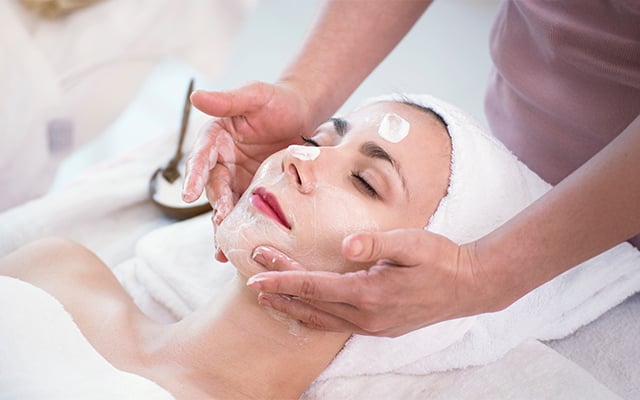
Nonsurgical options for facial rejuvenation
A facelift isn’t the only path to a refreshed look. At Revive Spa & Skincare, you can find many options for treating fine lines, wrinkles, uneven skin tone, and many other facial concerns to help you look and feel your best.
Our personalized approach connects you with the treatment most suited to your goals, whether that includes injectables like Botox® and dermal fillers, laser treatments, or medical-grade skincare options.
Your best you starts at Revive.
Risks and considerations
Like any surgery, a facelift comes with some risks. Your surgeon will review these risks with you to ensure you understand what to expect.
Serious complications from facelifts are rare but can happen. For example, there’s a small chance of nerve injury, which might affect facial movement, or a hematoma, which is when blood collects under the skin. Choosing a skilled, board-certified plastic surgeon helps keep these risks to a minimum.
What to expect during the procedure
A facelift is typically an outpatient procedure, so you can usually go home the same day. How long the surgery takes depends on the technique used and whether it’s combined with other procedures. You’ll either be completely asleep under general anesthesia or comfortably sedated with local anesthesia, depending on what you and your surgeon decide.
Your plastic surgeon begins by making incisions in the designated area of your face. The skin is gently lifted, underlying tissues are repositioned, and any excess skin is removed. If you’re also getting a neck lift, there might be a small incision under the chin. Finally, the incisions are closed with sutures or skin adhesive.
Recovery
Recovery from a facelift can take a few weeks. Before you leave the hospital, your surgeon will provide you with a comprehensive postsurgical discharge plan to help address concerns you might have in the hours and days after surgery.
Immediately after the procedure, you might have a bandage wrapped around your face to help control bruising and swelling. Temporary swelling, bruising, and numbness are normal. Your surgeon can give you medication to help with discomfort. Scarring is also possible, but it usually fades as you heal.
Your surgeon will likely recommend resting and keeping your head elevated during the first week. Most swelling and bruising will go away within about two weeks, at which point you might feel comfortable returning to work and light social activities.
It can take several months for all swelling to disappear and for the final results to be fully visible. You should avoid strenuous activities for about four to six weeks, but follow your surgeon’s recovery instructions.
Is liposuction safe?
financial services
Care Credit
Care Credit offers an affordable way to pay for cosmetic surgeries and other health costs. If you qualify, the program gives you a credit card with flexible financing options, so you can receive the procedures or services you need and pay for them over time. Easy, flexible, and accepted at Reid Health.