Medication Management
Reid Health provides personalized medication management focused on you and your needs. Our goal is to treat symptoms of your mental health condition and improve your well-being.
A personalized approach to mental health care
Treating a mental health condition often involves a combination of medications and therapy. During mental health medication management, you’ll work with a provider or behavioral health specialist to find the right medication or mix of medications to treat your mental health concerns. These medications improve your overall well-being and play a vital role in your care plan.
Medication management at Reid Health
At Reid Health, we know everyone is different and has unique needs. Our teams in East Central Indiana and West Central Ohio offer truly personalized care for mental health conditions. It can take some trial and error to find the right treatment for you, but you can trust your team has your best interests at heart and will work to find a medication that works and has the fewest possible side effects.
What is medication management?
Medication management for mental health is the use of medications to treat mood disorders, generalized anxiety disorders, psychiatric illnesses, and related conditions. These medications work in different ways, but generally, they change brain chemicals related to thoughts and emotions.
Providers might recommend medications along with therapy because medications can help control your symptoms well enough it becomes easier to go to therapy. Depression, for example, can sap your energy and concentration, but an antidepressant can help regulate both so you feel more inclined to talk to a therapist about why you feel depressed.
What happens at a medication management appointment?
During your medication management appointment, your provider will review your:
- Current medications
- Diagnosis and any related procedures or tests you’ve had
- General health (age, sex, allergies to medications, etc.) and medical history
Then, they’ll talk with you about your goals for treatment and which symptoms bother you most. For example, they’ll ask if you want to control upsetting thoughts or memories, improve a relationship with a family member, or function better at work or school.
Your provider will use all this information to recommend one or more medications designed to treat your condition as part of your treatment plan. They might also suggest lifestyle changes or adjustments to other medications you take. Before you leave, you’ll have clear instructions for when to take your medications and how to take them.
Your provider might also schedule follow-up visits to determine whether the prescribed medications are working or causing side effects. Some can take a while to start and, in some cases, symptoms that a medication first helped with can come back. It can take trial and error to find the right one for you. Your provider can monitor and adjust how you respond to your medications and make changes if needed to ensure you get the most benefit out of your care plan.
Types of mental health medications
Providers can prescribe many different medications for mental health disorders. In general, though, the medications fall into these categories:
- Antidepressants: These medications can help treat symptoms of many types of depression and anxiety disorders. They can take four to eight weeks to start working, but you might notice things like your sleep and energy levels improve before your mental health improves.
- Antianxiety medications: These medications can treat anxiety, panic attacks, phobias, and other generalized anxiety disorders. Many are used for short periods or alongside antidepressants.
- Antipsychotics: Antipsychotics are generally used for severe mental illnesses, such as bipolar disorder, severe depression, treatment-resistant depression, and schizophrenia. If you take them, your provider will want to monitor you for long-term health effects.
- Mood stabilizers: Mood stabilizers can help regulate swings between manic and depressive episodes in people with bipolar disorders. They can also help people with depression.
- Stimulants: Stimulants primarily help people with attention-deficit hyperactivity disorder. They help improve attention and focus.
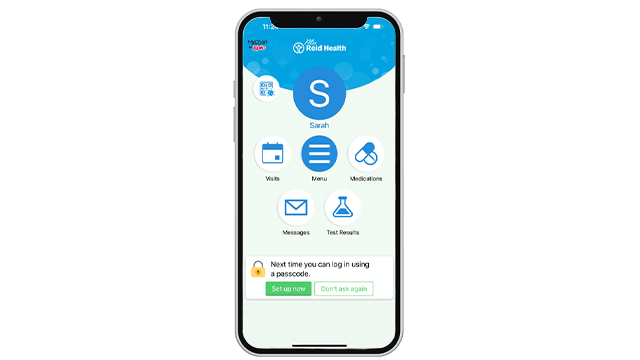
Manage your medications anytime with MyReid
With the MyReid mobile app, requesting prescription refills is quick and convenient. Simply log in, select the "Medications" icon, and tap "Request refills" for eligible prescriptions.
You can choose your preferred pharmacy and even request refills for loved ones if you've set up proxy access.
For assistance or if a medication isn't available for refill through the app, use the MyReid Messaging Center to contact your provider directly.