Anxiety Disorders
Is persistent anxiety and worry affecting your daily life? You can find the care you need at Reid Health, where we offer diagnosis and treatment for many anxiety disorders.
Comprehensive anxiety disorder diagnosis and treatment
Nearly everyone feels anxious at some time or another. It’s that prickly sense of fear and worry that might cause your heart to race or your stomach to churn.
Occasional anxious thoughts usually aren’t a problem. However, when they stick around and there’s no apparent stressor, you might have a clinical anxiety disorder.
If you’re having anxious thoughts more days than not and your anxiety negatively impacts your life and relationships, you don’t have to live with your symptoms. Help is available.
Anxiety disorders vs. panic attacks
Many people think panic attacks and anxiety disorders are different. In fact, panic attacks are a type of anxiety disorder. Panic attacks cause people to experience sudden, intense episodes of overwhelming fear. Panic attack disorder is about as common as generalized anxiety disorder, another type of anxiety disorder that causes a prolonged state of worry.
Anxiety disorders care at Reid Health
Anxiety disorders are the most common type of mental health conditions in the United States, affecting more than 40 million adults. That number includes many people right here in our own communities in East Central Indiana and West Central Ohio.
If you have symptoms of an anxiety disorder, you can find the specialized care you need at Reid Health. Our team of behavioral health providers has specialized training in diagnosing, treating, and managing all types of anxiety disorders.
You can access our services, including medication management and psychotherapy, in multiple locations across our area, allowing you to get the care you need when and where it’s convenient for you.
myreid
Monitoring symptoms
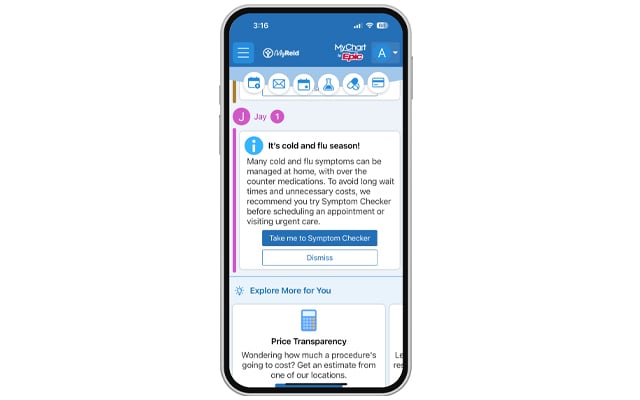
MyReid’s Symptom Checker can help you take charge of your mental health. If you’re experiencing signs of anxiety, this feature allows you to monitor your symptoms and share updates directly with your Reid Health primary care provider (PCP). By using Symptom Checker, you and your care team can work together to identify patterns and determine the best course of action. This tool is available to you if you already have a Reid PCP and provides a simple, confidential way to stay proactive about your well-being.
What are anxiety disorders?
Anxiety disorders are medical conditions that cause long-lasting, excessive worrying and fear about non-threatening situations.
The day-to-day anxieties many people face typically don’t last as long or feel as intense as what people with anxiety disorders feel. These disorders cause extreme worries and fears that often worsen over time and begin to disrupt daily life and routines, personal relationships, work or school, and other responsibilities.
While nearly 20% of U.S. adults have symptoms of an anxiety disorder, many people don’t seek or receive treatment.
With treatment, most people who have an anxiety disorder can find relief from symptoms and improved quality of life. Ongoing treatment can help you manage the condition and its symptoms now and in the future.
Types of anxiety disorders
There are multiple types of anxiety disorders, with each disorder causing unique symptoms:
- Agoraphobia: This is a fear of being in situations where escape is difficult or embarrassing. People with agoraphobia might fear open spaces, enclosed spaces, public transportation, or any environment outside the home.
- Generalized anxiety disorder: GAD is characterized by persistent worry or fear about many different everyday situations and events.
- Panic disorder: This disorder is defined by panic attacks, which cause physical and psychological distress. These panic attacks can be caused by known triggers, such as a specific fear, or occur for no known reason.
- Post-traumatic stress disorder (PTSD): Still considered by many to be an anxiety disorder, PTSD is a mental health condition triggered by experiencing or witnessing a traumatic event. PTSD causes excessive anxiety and was initially defined as a type of anxiety disorder but is now categorized as a trauma- and stressor-related disorder.
- Selective mutism: This condition causes children to not speak in certain social situations, such as at school. Children with selective mutism usually speak and communicate effectively in other situations and environments.
- Separation anxiety disorder: This disorder causes excessive fear or worry when a person is separated from another person, such as a parent or sibling. Children with a separation anxiety disorder might experience physical distress when spending time away from a loved one.
- Social anxiety disorder: This disorder causes worry or fear about being embarrassed, rejected, or humiliated in a social situation. This can lead to a person going to great lengths to avoid social interactions such as speaking in public or meeting new people.
- Specific phobia: This condition involves an irrational fear of a specific, harmless object, situation, or activity. As with social anxiety disorder, specific phobias can cause a person to take drastic measures to avoid their fears.
Anxiety disorder risk factors
Researchers aren’t certain what causes anxiety disorders, but many different factors might play a role. For example, anxiety disorders are more common among women than men.
Other risk factors include:
- Certain genetic markers
- Childhood trauma, abuse, or neglect
- Chronic medical conditions
- Differences in brain chemistry, such as abnormal neurotransmitters
- Exposure to violence and other stressors
- Family members who have anxiety disorders
- Personal history of mental health issues
- Poor sleep
- Social isolation
- Specific personality traits, such as an inclination to worry
- Substance use
Trauma at any age
Symptoms of anxiety disorders
Persistent and excessive worry or fear is the primary symptom of all types of anxiety disorders. Each anxiety disorder affects the body in a unique way, so these conditions can cause a variety of symptoms, which include:
- Anxiety in social situations
- Apprehension or dread
- Avoidance of an object, place, or situation
- Difficulty concentrating
- Feelings of doom or danger
- Frequent urination
- Irritability
- Lack of energy or frequent fatigue
- Panic attacks
- Rapid heartbeat
- Restlessness
- Shortness of breath
- Sleep problems, such as an inability to fall asleep or stay asleep
- Sweating
- Tension or jumpiness
- Tremors and twitching
- Unexplainable physical symptoms, such as headaches, digestive issues, and back pain

Inpatient care for anxiety disorders
Most people with anxiety can be treated with outpatient treatment, but inpatient care for anxiety might be necessary if you experience severe symptoms that significantly interfere with your daily functioning and your symptoms cannot be managed safely on an outpatient basis.
Inpatient care in our behavioral health unit provides you with close monitoring, comprehensive treatment plans, and 24/7 access to a multidisciplinary team of healthcare professionals.
We care for people with anxiety disorders until they’re stable and we can transition their care to one of our outpatient behavioral health clinics.
Diagnosing anxiety disorders
If you’re experiencing frequent anxiety and any of the other symptoms outlined above, don’t be afraid or embarrassed to ask for help. You can start by talking with your primary care provider (PCP) about your symptoms and how they affect your daily life.
You’ll be asked a number of questions about your symptoms and their severity, along with how they affect your life and social interactions. Provide as much detail as possible when you’re answering these questions — your honest answers can help your PCP determine what’s causing your symptoms and how to best treat them.
Because mental health symptoms can sometimes be caused by conditions affecting your physical health, your PCP might also order blood, urine, and imaging tests. These tests can be used to rule out other potential causes of your symptoms, such as a hormonal imbalance.
Your PCP will also gather a complete medical history during this appointment, including a comprehensive list of medications you’re taking. Some medications can cause anxiety as a side effect, so this information is an important piece of the diagnostic process.
If your PCP suspects your symptoms are caused by a mental health issue, you might be referred to a mental health professional for a diagnosis and treatment plan. During your first visit with a mental health professional, who might be a psychologist, psychiatrist, or licensed clinical social worker, you’ll have a comprehensive psychiatric evaluation to determine a diagnosis.
After gathering all of this information, a mental health professional can determine whether your symptoms are caused by an anxiety disorder and what type of disorder you have.
Treating anxiety disorders
Treatment for anxiety disorders varies somewhat depending on the specific type of anxiety disorder a person has but usually includes a combination of psychotherapy (also called “talk therapy”) and medication.
Psychotherapy
Our behavioral health providers offer psychotherapy for anxiety disorders, including cognitive behavioral therapy (CBT). If your provider recommends CBT as part of your treatment plan, you’ll participate in therapy sessions that help you identify negative thoughts and behaviors and provide you with tools to help you feel less anxious.
Medication management
Psychotherapy might be used as a standalone treatment option or in combination with medications. Our behavioral health specialists take a personalized approach to medication management. They’ll work to find the right medication or mix of medications to address your anxiety and other symptoms.
Antidepressants, such as selective serotonin reuptake inhibitors (SSRIs) and serotonin-norepinephrine reuptake inhibitors (SNRIs) are commonly used to treat anxiety. Your provider could also prescribe other medications, including beta blockers, to alleviate the mental and physical symptoms of an anxiety disorder.
A whole-body approach
In addition to these treatment options, your provider might recommend other strategies for managing your anxiety. This can include practicing healthy lifestyle habits, such as exercising regularly and getting enough sleep. Stress management techniques, including mindfulness and meditation, might also be helpful.
Many people who have anxiety disorders also have other mental health conditions, such as depression, eating disorders, or substance use disorders. If you have multiple conditions, your treatment plan might also include other therapies to comprehensively care for your mental health.
No matter what’s included in your treatment plan, remember anxiety disorders are a chronic medical condition. Most people require ongoing therapy and treatment to manage them and keep symptoms under control.
We’re here to help you at every step of the way. Whether you’ve just been diagnosed or have had an anxiety disorder for years, you can trust our team to provide you with the care and support you need.