Depression
Depression affects people throughout East Central Indiana and West Central Ohio. If you’re struggling with this common condition, find the personalized care you need at Reid Health.
Restoring hope for people with depression
Major depressive disorder, sometimes called clinical depression or just depression, is one of the most common mental health conditions people experience.
We all feel sad on occasion, and that’s completely normal. It’s not normal, though, to feel sadness or “the blues” for a long time or in ways so intense your feelings get in the way of your daily life. Extreme sadness and unhappiness could be signs of major depressive disorder. Although depression can be difficult and overwhelming, treatment is available. The first step is seeking help.
Care for depression at Reid Health
At Reid Health, our team of behavioral health providers have specialized training in diagnosing and treating depression, including both mild and more severe cases. We offer a full range of treatments and will work with you to find the best treatment plan for your needs.
We’re dedicated to providing this care close to home in our community. Depression affects people throughout East Central Indiana and West Central Ohio, and we want to ensure no one has to travel far to receive the specialized care they need.
Depression is a medical diagnosis, but it doesn’t have to define you. The good news is we can help you find the right treatment to get you back to feeling your best and actively participating in your own life.
What is depression?
Depression is a mood disorder that causes extreme sadness, hopelessness, and despair. More than feeling down about life or about the blues, depression prevents people from going about their daily lives. The condition can cause problems concentrating and making decisions. It can also interfere with sleep, change appetite, and sap energy levels, making it difficult or even impossible to work or go to school.
Depression also affects physical health. People who experience depression have a higher risk of chronic diseases, including heart disease, diabetes, stroke, osteoporosis, and Alzheimer’s disease.
Depression is a true medical illness that needs diagnosis and treatment from a behavioral health specialist. With proper care, you or your loved one can enjoy life again.
Symptoms of depression
Depression can vary in severity and cause many different symptoms. Every person experiences the condition in a unique way, so your symptoms might not be the same as someone else who has depression.
Common symptoms include:
- Anxiety or restlessness
- Appetite changes, such as reduced appetite and weight loss or increased appetite and weight gain
- Feelings of worthlessness or guilt
- Increase in purposeless activities, such as fidgeting or pacing
- Irritability, frustration, or anger about seemingly small matters
- Loss of interest in activities you once enjoyed
- Persistent sadness, emptiness, or hopelessness
- Self-blame or fixation on past failures
- Sleep changes, such as insomnia or sleeping too much
- Slowed thinking, speaking, or movements
- Suicidal thoughts or thoughts of death
- Trouble thinking, concentrating, remembering, or making decisions
- Unexplained pain, aches, or digestive problems that don’t improve with treatment
Risk factors for depression
Depression is a complex condition, related to your biology, genetics, and lifestyle. It’s also very common — about 16% of people experience it at some point during their lives — and affects women more often than men.
Researchers have identified certain brain chemicals, called neurotransmitters, that play a role in depression. They’ve also found people with depression are more likely than those without the condition to have certain genes.
Lifestyle, though, appears to play a pretty significant role. People appear to have a higher risk for depression if they have any of the following:
- Acute or chronic medical condition
- Certain personality markers, such as having low self-esteem, being pessimistic about most things, or feeling easily overwhelmed
- Chronic or severe stress
- Family history of depression
- Not having close personal relationships
- Significant life changes, such as divorce or job loss
- Substance use, such as drugs or alcohol
- Taking certain prescription medications
- Traumatic experiences, such as the loss of a loved one, sexual or physical abuse, or living through a natural disaster
Diagnosing depression
If you’re experiencing symptoms related to depression, schedule a visit with your primary care provider. Many health conditions, including nutritional deficiencies and hormonal imbalances, can cause symptoms of depression, and your provider can perform tests to see if those conditions could be causing your symptoms. In those cases, treating the underlying cause can help you feel better.
Certain medications for other medical conditions, including corticosteroid, and proton-pump inhibitors, can cause depression as a side effect or worsen depression symptoms. Your primary care provider can review your medications and doses, making changes if they seem to be contributing to your symptoms.
If your symptoms aren’t related to a medical condition, your provider can help you determine your next steps. They might refer you to a behavioral health specialist, who can perform a thorough psychiatric evaluation. During this exam, the provider will ask you questions about your symptoms, how severe they are, and whether they disrupt your daily activities.
A behavioral health specialist might diagnose you with depression if your symptoms occur most of the day, almost every day for more than two weeks. Even if you don’t meet the criteria for clinical depression, the specialist can help you find ways to improve your mental health, whether through therapy, lifestyle changes, or other treatments.
Treatments for depression
Many therapies can help you manage depression symptoms, so you can get back to enjoying life. Your provider will create a treatment plan for you based on a number of factors, including your specific symptoms and their severity.
Treatment for depression might include:
- Medication management: Depression might respond to a few different medications. Antidepressants include selective serotonin reuptake inhibitors (SSRIs) or serotonin-norepinephrine reuptake inhibitors (SNRIs). These alter the brain’s production or use of serotonin and norepinephrine, two brain chemicals related to depression and mood. Sometimes, you have to try more than one medication to find the one that works best for you.
- Psychotherapy: Also called talk therapy, psychotherapy involves meeting with a mental health professional to talk about what you’re experiencing. Cognitive behavioral therapy (CBT) is a specific type of psychotherapy that can help you challenge and change thoughts and behaviors that can cause depression symptoms. Therapy can also teach you coping mechanisms to prevent and alleviate symptoms.
- Lifestyle changes: Healthy habits can help you feel better emotionally as well as physically. Your provider can help you find ways to be more active (exercise can be as effective as medications for some people with depression), eat healthier, get better quality sleep, and stay socially active.
- Support groups: When you’re experiencing depression, it can be helpful to know that you’re not alone. Participating in a support group can help connect you with others who also have depression, learn from their experiences, and build a valuable support system to help you cope.
Mild depression might respond to therapy alone, while moderate to severe depression usually requires both therapy and medication.
Treatment-resistant depression
Many people with depression do well with medications, therapy, and lifestyle changes. Still, for some people, those treatments don’t work or don’t manage their symptoms well enough that they can go about their daily lives. This is sometimes called treatment-resistant depression.
Our behavioral health specialists can work with you to find successful treatments if other therapies don’t work. They can adjust doses or medication types to find one that works better for you. They can also help you find a therapist who might help. It can sometimes take trial and error to find a therapist you “click” with, and therapists understand (and won’t be offended) if you decide to go with someone else.
We can also help you find centers that offer electroconvulsive therapy, transcranial magnetic stimulation, and other advanced treatments that might improve your depression if other treatments don’t.
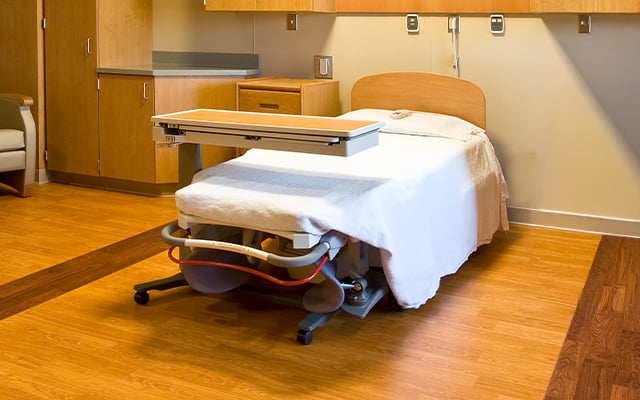
Inpatient care: Intensive care for severe depression
Although most cases of depression can be treated in an outpatient setting, severe depression might benefit from inpatient care. We offers inpatient care for severe depression and other acute psychiatric problems.
In our behavioral health unit, patients have access to 24/7 care under the supervision of a team of medical providers. Inpatient treatment can include medication management, psychotherapy, and individual, group, or family counseling.
Once patients are stabilized, they’re discharged from the hospital to continue treatment on an outpatient basis.