Chemotherapy
Chemotherapy might be one of the most common forms of cancer treatment, but you’ll receive uncommonly personal and compassionate care at Reid Cancer Center.
What is chemotherapy?
Chemotherapy is a form of cancer treatment that uses strong, cancer-destroying medications to attack cancer cells or prevent them from multiplying. There are many chemotherapy drugs, and new ones are developed regularly. The type you receive depends on many factors, including:
- How cancer affects your health and bodily functions
- Your cancer’s type and stage
- Where your cancer is located
- Whether your cancer has spread beyond where it started
- Your age, current health, and health history
If chemotherapy is part of your cancer treatment plan, you’ll work with a medical oncologist, a provider who specializes in using chemotherapy, and other medications to treat cancer. Your medical oncologist will choose chemotherapy drugs best suited to your cancer. They’ll also calculate the dose you need and how often you’ll have treatments (people often need multiple rounds of chemotherapy).
How do you receive chemotherapy?
In most cases, chemotherapy is delivered through an intravenous infusion. This means you receive medication through a thin, flexible tube called a catheter inserted into a vein in your hand or arm. Infusion sessions can last anywhere from a few minutes to a few hours.
Some chemotherapy drugs come in pill form, and some can be applied topically as creams or injected directly where the cancer exists.
How often people receive chemotherapy can vary widely depending on their diagnosis. However, chemotherapy is usually given in cycles.
Each cycle includes days of treatment followed by days of rest. For example, you might receive daily chemotherapy for a week, followed by three weeks off. These rest periods allow your body to recover and rebuild a store of healthy cells so you’re strong enough for the next round of treatment.
When only the best will do
For decades, chemotherapy has remained a standard of cancer treatment. In East Central Indiana and West Central Ohio, this therapy is available locally at Reid Cancer Center.
Reid Cancer Center offers inpatient and outpatient chemotherapy. You can receive treatment in one of our comfortable infusion centers in Richmond or Connersville. During each session, you can watch television, read, or visit with loved ones. We can also coordinate care with providers outside of Reid, saving you the effort of having to travel for your chemotherapy treatments. If you were diagnosed at another facility, you can receive your chemotherapy close to home.
Just like you, every cancer is unique. The oncologists at Reid Cancer Center work to find the right treatment for you and will adapt your care over time to make sure it continues working effectively. Blood tests, imaging tests, and other lab work ordered during treatment will help your team understand how well chemo is working so they can adjust your plan accordingly.
Combining chemotherapy with other cancer treatments
Chemotherapy isn’t always used alone. Your oncologist might prescribe it along with surgery, radiation therapy, immunotherapy, or other treatments.
Combining chemotherapy with other treatments can lead to improved results. Your oncologist could combine therapies to:
- Destroy cancer that has come back
- Make other treatments more effective
- Remove cancer cells that might be left behind by other treatments (known as adjuvant chemotherapy)
- Shrink a tumor before you have surgery or radiation therapy (known as neoadjuvant chemotherapy)
- Target cancer that has spread beyond where it originally started
Side effects of chemotherapy
Cancer cells can multiply quickly. Chemotherapy is effective because it attacks all rapidly multiplying cells. Unfortunately, many types of healthy cells also multiply rapidly. Chemotherapy can damage or kill those healthy cells, causing side effects such as:
- Anemia
- Bowel issues, such as constipation or diarrhea
- Changes in skin color, appetite, or weight
- Difficulty focusing or unexplained mood changes, sometimes called “chemo brain”
- Fatigue
- Hair loss
- Increased risk of infection
- Nerve-related pains or pains when swallowing
- Skin that bruises or bleeds easily
Chemotherapy affects people differently, and side effects can vary based on the medication you receive. In most cases, side effects go away soon after you finish treatment, but some can stick around for months or years.
Our goal is to treat your cancer effectively, and we don’t want side effects to make you hesitant to receive care. Talk with your care team about any unpleasant symptoms you experience during chemotherapy. Treatments can lessen their impact, and if side effects become too much to bear, your team might change your treatment regimen.
cancer care
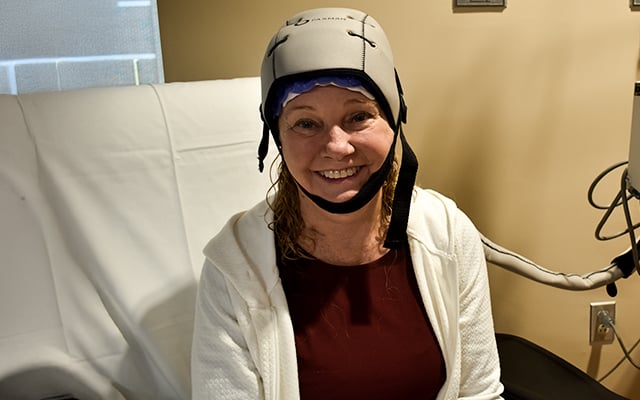
Cooling caps: Help for hair loss
Cooling caps, also known as cold caps, are designed to reduce hair loss during chemotherapy. These caps work by applying intense cold to the scalp, which constricts the blood vessels and limits the amount of chemotherapy drugs that reach the hair follicles. By minimizing exposure to these cell-killing drugs, cooling caps help protect the hair follicles and reduce hair loss.
Patients typically wet their hair, apply conditioner, and wear the cooling cap before, during, and after their chemotherapy sessions. The caps are connected to an automated device that circulates a cold liquid or gel to maintain a specific temperature. Cooling caps are FDA-approved for use in patients undergoing chemotherapy for solid tumor cancers, including breast, colorectal, prostate, lung, and gynecological cancers.
Take the next step in your care
Nationally recognised breast care
Quality Oncology Practice Initiative (QOPI®)
National Accreditation Program for Breast Centers (NAPBC)
NAPBC Certification recognizes breast centers that meet national standards for high-quality, comprehensive breast care.