Neck, Back, and Spine
Overcome neck, back, and spine pain while improving your quality of life with support from compassionate spine specialists. We’re here to help you find the best treatment possible.
Specialized care for neck, back, and spine conditions
Neck, back, and spine pain can be incredibly challenging and impact how you move, work, and simply live your life. At the Reid Health Comprehensive Bone & Joint Center, we understand the toll these conditions can take on your well-being. Our team of orthopedic and spine specialists provides you with the care and support you need to find relief and reclaim your quality of life.
Advanced solutions, close to home
Our orthopedic and spine specialists are dedicated to using the latest technologies and techniques to address neck, back, and spine pain.
Our spine surgeons have unique expertise in minimally invasive spine surgery, and we’re the only ones in the region to use the Mazor robotic surgical system, which improves surgical accuracy for certain procedures.
Additionally, our fast-track spine process means you can get in to see our experts quickly. Our minimal wait times mean you can fast-track your comeback by getting the care you need when you need it most.
Common neck, back and spine conditions
Your spinal column extends from the neck down to your tailbone. When you strain, sprain, or overuse an area of the spine, pain can occur in the neck, shoulders, and middle or lower back. Spine pain can also be a symptom of other medical conditions, such as:
Arthritis
Arthritis of the spine, also known as spinal osteoarthritis, often affects the neck and lower back. The most common type of spinal arthritis is osteoarthritis, when the protective cartilage that cushions the spinal joints breaks down over time.
The condition can lead to pain, swelling, and stiffness in the neck or back and might contribute to other spinal conditions, including stenosis and radiculopathy (pinched nerves).
Arthritis often occurs with age, but you might be at greater risk if you’ve had previous spine injuries or have certain genetic factors. A spine specialist can help you find medications that provide pain relief or refer you to physical therapy to improve mobility.
Degenerative disc disease
Degenerative disc disease refers to the wear and tear of the spinal discs, the cushions between the vertebrae (bones in your spine), which can result in pain, weakness, or numbness.
This condition is often linked to aging, injury, or repetitive movements, and over time, it can cause other spinal conditions, including herniated discs and stenosis.
Fortunately, the condition often responds to nonsurgical care. Physical therapy, pain medications and injections, and noninvasive procedures might help you avoid surgery.
Herniated disc
A herniated disc — also called a bulging, ruptured, or slipped disc — happens when the jelly-like center of the disc pushes out and puts pressure on your spinal cord and nerves.
This condition can be very painful and cause numbness and limited mobility. Aging is often what causes a herniated disc, but the best way to prevent it is to maintain a healthy weight, exercise, and practice safe bending and lifting techniques.
Our spine specialists prefer nonsurgical options, such as medication, physical therapy, and steroid injections, as a first line of treatment. When necessary, they can also perform a surgical procedure that’s right for you.
Radiculopathy
Radiculopathy, sometimes called a pinched nerve, occurs when a nerve root in the spine is compressed.
This compression can happen anywhere along the spine, causing pain, weakness, or numbness that travels the path of the compressed nerve.
Two common types of radiculopathy are:
- Cervical radiculopathy: This condition occurs in your neck and can cause symptoms that travel down your arm.
- Lumbar radiculopathy: Also known as sciatica, this condition causes symptoms that begin in your buttocks and travel down the back of your leg.
Radiculopathy might be related to other spine conditions. Working with a spine specialist allows you to identify the root cause of your pinched nerve and address the problem with surgical or nonsurgical care.
Scoliosis
Scoliosis causes an abnormal S- or C-curve in the spine and is most often diagnosed in the teenage years, but it could develop in adulthood because of arthritis. Mild scoliosis has no serious symptoms but can cause uneven shoulders, shoulder blades, or hips. In more severe cases, it can cause pain, muscle spasms, or weakness.
Our spine specialists treat scoliosis with bracing, physical therapy, and, if necessary, surgery.
Spinal fractures
Spinal fractures are most often caused by osteoporosis or trauma. Many fractures can heal on their own with medication, bed rest, and immobilization or decompression devices. Severe fractures might need surgery, such as surgical decompression, spine grafts, or insertion of spinal rods.
Spinal stenosis
Spinal stenosis is a narrowing of the space that protects your spinal cord and enables flexibility, which creates pressure on the spinal cord and nerves. Anyone can get spinal stenosis, but it’s more common in older adults and people who have spinal arthritis.
Symptoms include burning pain, numbness, and tingling that might get worse when you stand, and weakness in the legs and feet. Nonsurgical treatments such as back braces, physical therapy, and medications are the first line of treatment, but surgery could be required based on your symptoms.
Spinal tumors
Whether benign (noncancerous) or malignant (cancerous), any abnormal growth on the spine can put pressure on the spinal cord and cause pain and limited mobility.
The most common treatments are radiation, chemotherapy, and spinal surgery to remove the tumors.
Spondylosis
Spondylosis is an age-related condition caused by wear and tear on the spine’s vertebrae, although it can also affect young and very active people.
Spondylosis is the most common cause of chronic neck pain but can also appear in the middle and lower back and could lead to bone spurs on the vertebrae. Symptoms include pain, stiffness, and headaches. In more advanced cases, it can affect the arms and legs as well as balance.
First, our spine specialists typically recommend physical therapy, cold and heat therapy, and medications. If those aren’t successful, they might recommend spine surgery.
Diagnosing and treating neck, back, and spine pain
At the Reid Health Comprehensive Bone & Joint Center, our spine surgeons and orthopedic specialists work closely with specially trained nurses and therapists to deliver compassionate, all-encompassing care. Our goal is to determine the source of your pain as quickly as possible and develop a treatment plan that’s right for you.
You’ll work with our orthopedic pain management team, which takes a holistic view of your pain and finds medications and injections tailored to your condition.
We provide a wide range of nonsurgical and surgical treatment options. Surgery is usually considered after nonsurgical treatments, such as physical therapy and other prescribed physical activity, medications, and steroid injections no longer offer relief.
Minimally invasive spine surgeries offered locally
Minimally invasive spine surgeries use smaller incisions than traditional open surgery. This advanced technique is designed to minimize scarring and reduce impact on surrounding muscles and tissues.
As the region’s only spine surgeons using the Mazor robotic surgical system, we can perform surgeries with precision and correct many common spine conditions, including scoliosis, spinal stenosis, fractures, and herniated discs.
Fast-track Spine Care
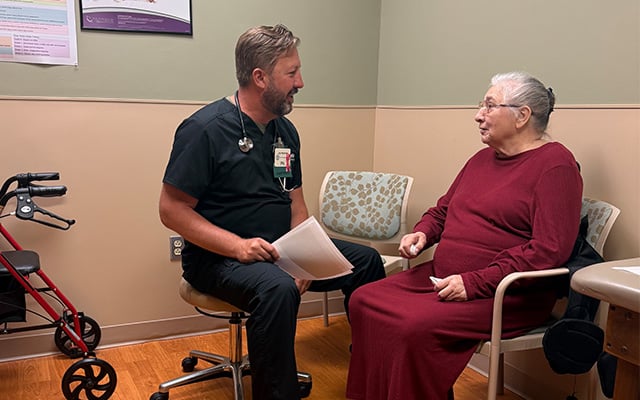
Don’t wait for back or neck pain relief. Reid Health’s Fast-track Spine program offers speed to appointment (often same day!) with our caring team of spine surgeons and physician assistants. Helping you get the immediate care you need, no visits to the emergency room or waiting for an appointment required.
Fast track your care plan. Call us to quickly schedule a visit.
Turnaround Tuesdays in Greenville
Turnaround Tuesdays in Greenville: Walk-in and walk out with a plan
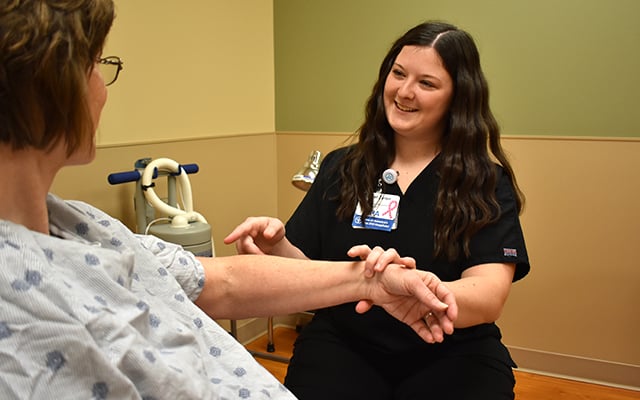
Formerly Walk-in Wednesdays, every Tuesday, Reid Health Ortho and Spine experts accept walk-in appointments in Greenville, no appointment needed.
Now Offering Podiatry Care: Dr. Travis McKellar, DPM board certified foot and ankle specialist is now seeing patients in Greenville.
Turnaround Tuesdays help patients in pain get fast access to expert guidance and a clear plan for care. On-site X-rays are available in Greenville for added convenience. Questions? Call us, we’re happy to help.
Take the next step in your care
Awards and recognition

Healthgrades
For three straight years, we’ve been among the nation’s top 5% of hospitals for clinical excellence, according to Healthgrades.
Healthgrades
For three straight years, we’ve been among the nation’s top 5% of hospitals for clinical excellence, according to Healthgrades.