Spine, Neck, and Back Pain Solutions
Reid Health Orthopedics & Spine offers nonsurgical back pain treatment and minimally invasive spine surgeries to help you find relief from chronic back and neck pain.
Surgical and nonsurgical spine treatments at Reid Health
Neck, back, and spine conditions are common, and most people will have some form of back pain during their lives. These conditions can severely limit your ability to work and enjoy life, but there are a variety of treatments available, from medications and physical therapy to minimally invasive surgery.
Many people in East Central Indiana and West Central Ohio have trusted Reid Health’s spine care program for help managing their chronic pain.
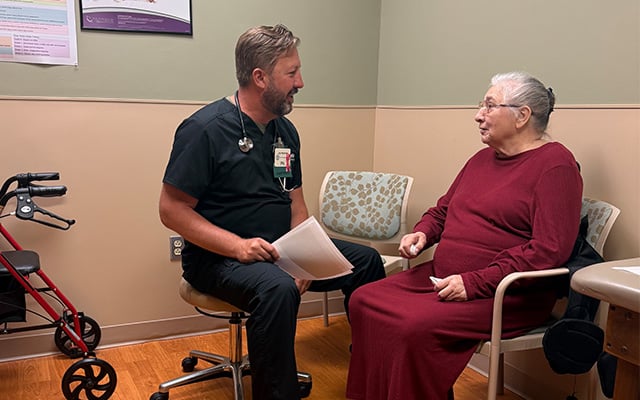
Fast-track Spine Care
Don’t wait for back or neck pain relief. Reid Health’s Fast-track Spine program offers speed to appointment (often same day!) with our caring team of spine surgeons and physician assistants. Helping you get the immediate care you need, no visits to the emergency room or waiting for an appointment required.
Fast track your care plan. Call us to quickly schedule a visit.
Nonsurgical back pain treatment
Nonsurgical care is often the first step in treating back and neck pain. During your first visit with a spine or pain specialist, your clinician might order orthopedic imaging and other tests to diagnose your condition. An accurate diagnosis gives them the information they need to determine which nonsurgical option will help.
Medications
Many different medications can treat back and neck pain. If you’ve had pain for a while, you’ve likely tried over-the-counter medications. Pain management specialists can prescribe stronger medications, such as prescription nonsteroidal anti-inflammatory drugs and muscle relaxants.
At Reid, our specialists opt for nonnarcotic pain medications for back and other types of pain caused by spine conditions. When medications are used, regardless of the type, we combine them with physical therapy and other treatments.
Spinal injections
Spinal injections often contain a mix of anesthetics (medications that numb pain) and anti-inflammatories, such as steroids, for back pain and other discomfort. You generally receive spine injections while receiving physical therapy. Types of injections for neck and back pain include:
- Epidurals: Epidurals can treat compressed or inflamed nerves. Often, these nerves cause pain that radiates down an arm or leg. Epidurals are also used for spinal stenosis, herniated discs, and many other conditions.
- Facet joint injections: Facet joints exist between each vertebra. Medications injected into these small joints can relieve pain caused by arthritis or degenerative disc disease, especially if the pain radiates from the spine to the shoulders or lower body.
- Sacroiliac joint injections: Your sacroiliac joints are the two points where your sacrum (the last five vertebrae of your spine) meet your pelvic bone. Damage to the joint can cause low-back pain, and sacroiliac joint injections deliver numbing and anti-inflammatory agents to treat the pain.
- Trigger point injections: Trigger points are areas of muscle that can be painful. Trigger point injections can treat muscle pain in your neck or back.
Intrathecal pain pumps
If injections and other measures don’t offer the relief you need, your spine specialist can surgically implant a device that delivers pain medications directly to your spine.
Called intrathecal pain pumps, these devices can treat pain related to many different spine conditions, including fractures, disc problems, postsurgical pain, and nerve pain.

Turnaround Tuesdays in Greenville
Turnaround Tuesdays in Greenville: Walk-in and walk out with a plan
Formerly Walk-in Wednesdays, every Tuesday, Reid Health Ortho and Spine experts accept walk-in appointments in Greenville, no appointment needed.
Now Offering Podiatry Care: Dr. Travis McKellar, DPM board certified foot and ankle specialist is now seeing patients in Greenville.
Turnaround Tuesdays help patients in pain get fast access to expert guidance and a clear plan for care. On-site X-rays are available in Greenville for added convenience. Questions? Call us, we’re happy to help.
Orthopedic pain management
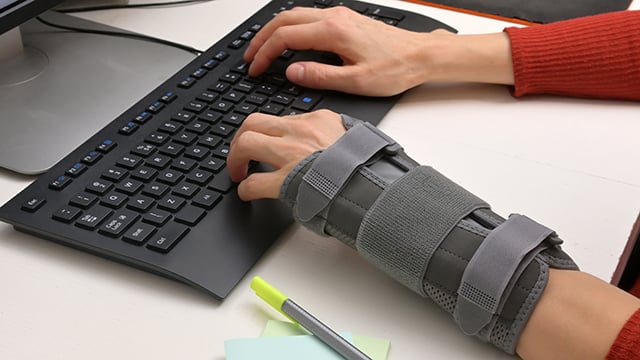
Our pain management providers and other specialists work with people who have chronic back and neck pain to find effective long-lasting relief. They develop individualized treatment plans that involve injections, medications, physical therapy, and pain pumps (if necessary). Not everyone with back pain needs surgery, and our goal is to help you find nonsurgical relief.
Minimally invasive spine surgeries
Your spine surgeon might recommend surgery based on your diagnosis or if nonsurgical options no longer provide relief. About 15% to 20% of spine patients need surgery. If you fall into that group, your surgeon could recommend one of the following types of surgery:
- ACDF: Anterior cervical discectomy and fusion (ACDF) surgery is a procedure used to treat herniated discs, bone spurs, arthritis, or other degenerative disc diseases in the neck. During ACDF surgery, the damaged disc is removed from the front (anterior) of the neck and replaced with a bone graft. Over time, the vertebrae above and below the removed disc fuse together.
- Cervical disc replacement: Cervical disc replacement is surgery to treat a herniated disc or pinched nerve in the neck. Your surgeon removes a damaged or degenerated disc and replaces it with an artificial implant made from metal, plastic, or both. It’s an alternative to spinal fusion, relieving pain and helping you preserve more movement in your neck.
- Laminectomy: A laminectomy, also known as decompression surgery, is a procedure that involves removing the lamina, a part of the vertebral bone. The goal is to relieve pressure on the spinal cord or nerves caused by spinal stenosis or herniated discs. It’s the most common treatment for spinal stenosis in the lower back (lumbar spinal stenosis).
- Microdiscectomy: A microdiscectomy is a minimally invasive procedure used to treat herniated discs. Your surgeon removes only a small portion of the herniated disc pressing on a nerve.
- Spinal fusion surgery: Spinal fusion surgery joins two or more vertebrae together using bone grafts and, in some cases, screws and rods. By fusing the vertebrae, the surgery helps stabilize the spine, correct deformities, or relieve pain caused by conditions like degenerative disc disease and spinal fractures.
Take the next step in your care
Awards and recognition

Healthgrades
For three straight years, we’ve been among the nation’s top 5% of hospitals for clinical excellence, according to Healthgrades.
Healthgrades
For three straight years, we’ve been among the nation’s top 5% of hospitals for clinical excellence, according to Healthgrades.