Pregnancy and Postnatal Care
At Reid Health, our obstetricians and gynecologists (OB/GYNs) are dedicated to providing the prenatal, pregnancy, and postnatal care you need to thrive.
Care through every stage of pregnancy and beyond
There’s more to pregnancy than physical health. Good prenatal care can also benefit your mental health and help prepare you for parenting.
Finding the right prenatal and postpartum care
When it comes to your pregnancy and postnatal care, choosing the right OB/GYN is essential for both your health and your baby’s. Our dedicated team provides personalized, compassionate care every step of the way, from your first appointment to your postpartum check-up.
Reid Health is the support you deserve on your journey to motherhood.
Prenatal and pregnancy care
The maternity care specialists at the Reid Health Family Birthing Center are dedicated to helping your pregnancy start off on a healthy foot. Proper prenatal care has been shown to reduce the risk of low birth weight, infant death, and preterm births. It will also allow you to watch your baby’s development and learn how to prepare for birth.
We also encourage women planning to become pregnant to schedule a pre-pregnancy care visit to get a head start on a healthy pregnancy.
Prenatal visits, explained
Prenatal care should begin as soon as you know you’re pregnant. Our providers offer comprehensive prenatal care at locations across East Central Indiana and West Central Ohio to support you and your growing family during this exciting time.
During your prenatal care checkups, you’ll learn how to care for yourself and your growing baby while your provider watches out for and helps prevent potential health concerns. Your OB/GYN will help you manage existing health concerns and conditions that sometimes come with pregnancy.
Prenatal visits also offer the perfect opportunity to work with your provider to make a birth plan that includes:
- A vaginal birth or cesarean section
- Deciding who’ll be with you during the birth
- Managing pain during labor and delivery
Don’t be afraid to ask questions during prenatal visits. Be honest with your provider about things that feel embarrassing, private, or uncomfortable. Your provider needs to learn about you and your life to know the best ways to help you have a healthy pregnancy.
What to expect during prenatal visits
Prenatal visits are usually every four weeks for the first six months, every two weeks during the seventh and eighth months, and weekly in the ninth month. More frequent visits might be recommended if you're older than 35 or have a high-risk pregnancy.
During your first prenatal visit, your provider will:
- Address your questions and concerns
- Ask about your health history and current health concerns
- Check your weight, blood pressure, heart rate, and temperature
- Conduct a physical exam to check your general health
- Give you a flu shot or other vaccines if needed
- Perform a pelvic exam and a Pap test
- Prescribe prenatal vitamins
- Run blood tests
- Take a urine sample to check for urinary tract infections
Later in your pregnancy, you can expect your prenatal care checkups to include:
- A physical exam to check general health, including measuring your belly to see how the baby is growing, and how the baby is positioned
- A discussion about changes you’re noticing, including the baby moving
- Prenatal tests to check on development and look for potential health problems
- Vaccines to protect you and your baby, such as the Tdap vaccine for whooping cough
- Weight and blood pressure checks
Prenatal tests
During many prenatal visits, your provider will run blood tests to check for infections or other pregnancy-related health concerns, such as gestational diabetes.
Your provider might also recommend genetic testing and counseling to screen for birth defects or genetic issues. Your baby might have a higher risk of genetic conditions if you’re 35 years or older, have a previous child with an inherited birth defect, or have a family history of birth defects.
Prenatal imaging
Imaging tests are a normal part of prenatal care and might be used early in your pregnancy to determine your due date. These tests allow your provider to look at how your baby is growing.
During your first prenatal visit, you’ll likely have an ultrasound, which uses sound waves to make an image of your baby. Ultrasounds might be used throughout pregnancy to check the baby’s development and positioning.

Classes for a helping hand
In addition to prenatal care checkups, we offers pregnancy and childbirth classes to help you prepare for the changes that come with a new baby. If you feel you need additional support, a perinatal navigator can help guide you through the process of pregnancy, birth, and early infant care.
Postnatal care for the ‘fourth trimester’
You have a new baby to love and care for, but to do so, you have to prioritize your health. Postnatal, or postpartum, care for mothers occurs in the weeks and months after giving birth. This time period is sometimes called the fourth trimester because your mental and physical health are just as important now as they were when you were pregnant.
The postpartum period can be challenging. From complications related to labor and delivery to health conditions that can arise after giving birth, you need a trusted OB/GYN or provider who can help you understand what to expect.
Postnatal visits
Postnatal visits with your OB/GYN begin within three weeks after giving birth and are key to protecting your health. Postnatal care allows your OB/GYN to identify postpartum health problems and ensure you get the help you need.
During postpartum care appointments, your provider monitors your health to see how you’re recovering and whether you’re developing postpartum health conditions. Postnatal care looks different for every new mom and usually entails more than just one visit.
These visits are an opportunity for you and your OB/GYN to talk about important issues, including:
- Birth control: If your family is complete and you wish to prevent future pregnancies, you might want to consider tubal ligation, or getting your tubes tied. This procedure closes or removes the fallopian tubes. If you want more children, your OB/GYN can recommend a temporary method and help you decide when to start trying again. Generally, providers recommend waiting at least 18 months after giving birth before getting pregnant again.
- Maternal health conditions: If you develop a health condition during pregnancy, such as gestational diabetes, your OB/GYN will keep tabs on you and help you understand your risk for future health conditions.
- Mental health: Postpartum depression is a serious concern. Tell your provider if you’re feeling worried, stressed, sad, or tired so they can help find a solution.
- Postpartum symptoms: Your postnatal visits are a good opportunity to tell your provider about any symptoms you might have experienced, such as breast pain or difficulty sleeping. These could be signs of common, treatable postpartum conditions.
- Sex: You might have questions about whether it’s safe to resume sex. Your OB/GYN can tell you when it’s OK to do so.
- Vaccines: Staying up to date with recommended immunizations helps keep you and your baby healthy.
Don’t skip your postnatal appointments just because you feel fine and have had a smooth transition to life with your new baby. Postnatal care can help you maintain wellness and learn about potential challenges to watch out for.
Postpartum care starts with a plan
Ideally, planning for postnatal care should be part of prenatal care. Working with your OB/GYN to develop a postpartum care plan during pregnancy can help you adjust to life with your new baby while safeguarding your health. Your plan might cover a variety of topics, including breastfeeding, birth control, postpartum health conditions, and when to see your OB/GYN for postnatal appointments.
Your postpartum care plan can change based on the circumstances of your pregnancy and your health after giving birth. For example, if you had a high-risk pregnancy or developed symptoms of a postpartum health problem, you might need to see your OB/GYN more often. Your provider will tailor your postpartum care plan to fit your needs.
The American College of Obstetricians and Gynecologists (ACOG) recommends seeing your OB/GYN for an initial postpartum checkup no later than three weeks after birth. Following this visit, you should continue receiving postnatal care as needed until the most important appointment — your comprehensive postpartum visit. This should take place no later than 12 weeks after delivery, according to ACOG.
Common postpartum conditions
Like many new moms, you might not always feel like yourself during the postpartum period, or you might develop uncomfortable symptoms. Your OB/GYN can diagnose the problem and recommend a solution.
Some common postpartum conditions include:
- Mastitis: Mastitis, or breast inflammation, occurs when bacteria from your skin or your baby’s mouth enter the breast, causing an infection. Your breasts might feel painful, swollen, or hot to the touch. Some infections clear up on their own, but in other cases, antibiotics are necessary. Alternating breastfeeding positions and ensuring your baby latches onto your nipple correctly can reduce your risk of mastitis. Our Milk Matters support group can help if you’re having difficulty breastfeeding.
- Postpartum depression: If you feel sad, moody, guilty, or uninterested in or disconnected from your baby for at least two weeks, you might be experiencing postpartum depression. This is different from the baby blues — temporary sadness and moodiness that appear within a few days after delivery. Tell your OB/GYN or primary care provider so you can get treatment quickly and prevent postpartum depression from worsening. Your provider might refer you to a mental health specialist or prescribe an antidepressant. Attending a support group can help you build a network of people to turn to who understand what you’re going through.
- Urinary tract infections (UTIs): Some women develop UTIs after delivery. Signs of a UTI include a burning sensation when urinating, a frequent urge to urinate, and urine that has traces of blood or smells bad. You’ll likely need an antibiotic to treat a UTI.
What to expect during postnatal care's key visit
During the comprehensive postpartum visit, your OB/GYN will perform a physical exam, which can include:
- Checking the condition of your vagina, uterus, and cervix to be sure they’re healing from a vaginal delivery
- Examining your breasts for signs of infection
- Examining your cesarean section incision (if applicable) for signs of infection
- Measuring your blood pressure, weight, and blood sugar levels
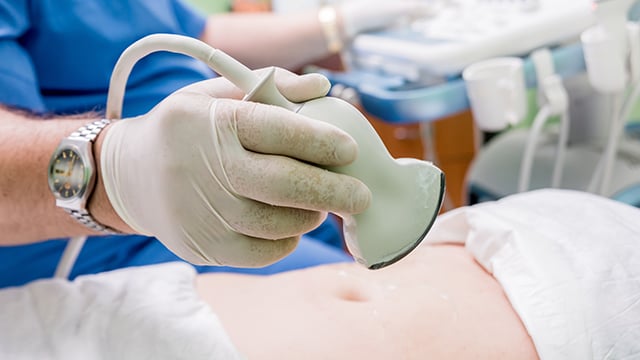
Take a peek with Peek-a-Baby
We offer Peek-a-Baby 3D and 4D ultrasounds, which allow you to see details, such as facial features, more clearly. With 4D technology, parents might be able to see their babies move their feet, wave their hands, or stick out their tongues.
Appointments can be scheduled between weeks 26 and 36 of pregnancy to allow for the best views of the baby. Various packages are available to cater to different needs and preferences.

Empowerment through CenteringPregnancy
CenteringPregnancy is an innovative care model designed to empower expectant parents by fostering connections with providers and peers.
Here’s what you can expect:
- Group dynamics: Join 8-10 other expectant parents with similar due dates for a supportive environment.
- Engaging visits: Attend 10 90-minute sessions that blend health check-ups with group discussions.
- Health focus: Learn vital health information covering nutrition, activity, and managing stress.
- Personal care: Take your own blood pressure and monitor your weight to actively participate in your health journey.
- Enhanced interaction: Enjoy increased one-on-one time with your provider, allowing for meaningful questions and discussions.

Nurturing recovery for mothers and children
The Nest is a dedicated program designed to support mothers and their children affected by addiction. Our holistic approach empowers mothers to overcome their challenges while fostering drug-free environments for their families.
Key features of our program include:
- Medical support to prevent withdrawal during pregnancy
- Prenatal and postpartum care tailored to individual needs
- Medication-assisted treatment when appropriate
- Education on childbirth, breastfeeding, and infant care
- Safe sleep practices and car seat safety guidance
- Support groups for postpartum recovery and healthy parenting
Together, we create a nurturing environment for families to thrive.