Breast Health
Breast health means early detection of breast cancer and care for many other noncancerous breast conditions. We provide comprehensive breast care at convenient locations close to home.
Breast health for every stage of life
Your breast health is important across your lifespan, from your teenage years through adulthood and beyond. Whether you’re managing a breast condition or concerned about your risk for breast cancer, Reid Health’s women’s health providers offer compassionate care, screenings, and personalized treatments to support and protect your breast health.
Our breast care services
No matter where you live in East Central Indiana or West Central Ohio, you’ll find comprehensive breast care services close to home.
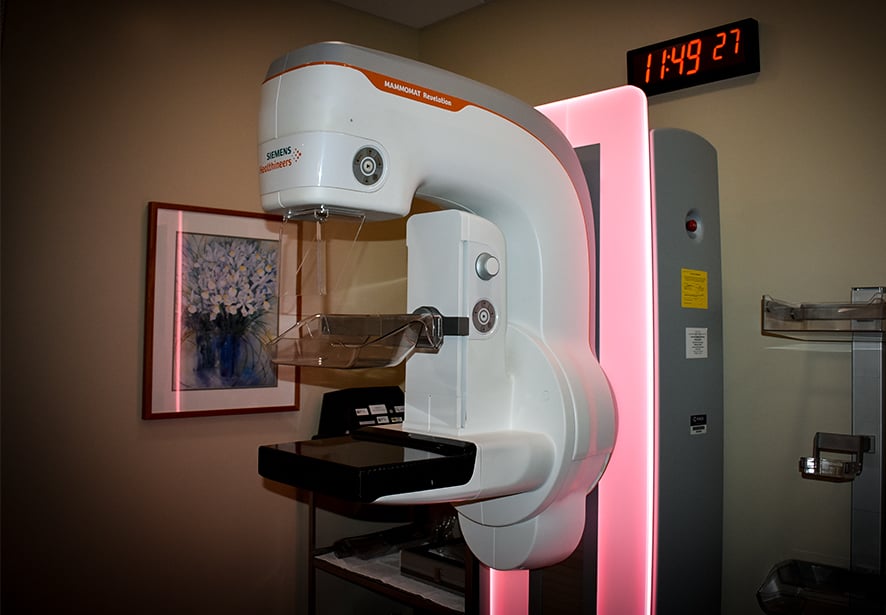
Mammograms
Our 3D mammography services offer highly detailed images that help us identify breast cancer early, when you have more options for treatment.

Breast cancer care
Women with breast cancer can access advanced treatment options and compassionate care from the providers at Reid Cancer Center in Richmond.
Common breast conditions
Breast cancer is the most common non-skin cancer affecting women in the U.S., but it’s not the only breast condition you can develop during your life.
Our OB/GYNs and women’s health providers diagnose and treat many noncancerous breast health conditions, including:
- Breast cysts: These fluid-filled lumps are common. They don’t always cause symptoms, but some people may experience pain or nipple discharge.
- Fibroadenomas: These are solid, movable lumps beneath the skin. Although medically classified as tumors, simple fibroadenomas are benign (noncancerous) and don’t appear to increase your risk of breast cancer.
- Intraductal papillomas: These benign tumors form in the milk ducts near the nipple and can sometimes cause nipple discharge, which may be clear or blood-tinged.
- Clogged milk ducts: A clogged duct happens when milk flow is blocked, often due to engorgement or incomplete emptying of the breast. It can cause a tender lump, localized pain, or redness. Most clogged ducts resolve with warm compresses, gentle massage, and frequent feeding or pumping. If not treated promptly, a clogged duct can lead to mastitis.
- Mastitis: This is a breast infection or inflammation often caused by clogged milk ducts. It causes swelling, pain, and, in some cases, a fever. Mastitis most commonly occurs in breastfeeding women, usually within six weeks after childbirth, but it can also develop in women who are not breastfeeding.
Some breast symptoms are related to hormonal changes during the menstrual cycle, but some breast health conditions can develop independently of these fluctuations.
Breast density
Breast density is not a condition, but it plays an important role in your breast health.
Your breasts contain three types of tissue:
- Fatty tissue, which forms around other tissue
- Fibrous connective tissue, which supports bone, muscle, and other tissue
- Glandular tissue, which consists of lobes, lobules, and ducts
If your breasts contain more glandular and fibrous tissue than fatty tissue. Having dense breasts isn’t dangerous by itself, but it does increase your risk of breast cancer. Your provider can recommend additional or more frequent breast cancer screenings.
Breast self-awareness
Regularly paying attention to your breasts is one of the most important things you can do for your health. Experts encourage breast self-awareness; knowing how your breasts normally look and feel so you can recognize any changes early.
Let your provider know if you experience any of these symptoms:
- Breast lumps or masses under the armpit
- Breast pain
- Changes in breast size or shape
- Itchy, red, or discolored skin
- Nipple changes or discharge
Breast health care at Reid
When you see a Reid Health OB/GYN, we’ll help you take the best possible care of your breast health. This includes identifying your risk factors for breast cancer and ensuring you receive the appropriate screenings.
Breast cancer screenings
We recommend women at average risk begin mammograms at age 40. If you have a family history or other risk factors, your provider may suggest starting earlier or having screenings more frequently.
Through the Reid Health Breast Center, you can access 3D mammography, which captures detailed images of the breast tissue to help diagnose breast cancer at an early stage. We also offer other advanced diagnostic tools, including breast ultrasound and breast MRI.
Breast biopsies
If a lump or abnormality is detected, your provider might recommend a breast biopsy to see whether it is cancerous or benign. Our skilled surgeons will collect a tissue sample and send it to a lab, where it's testing will occur.
Breast cancer care
If you’re diagnosed with breast cancer, you can receive the comprehensive, advanced treatment you need right here in our community. Our services include breast surgery, chemotherapy, radiation therapy, immunotherapy, hormone therapy, and access to clinical trials. Throughout your breast cancer journey, you are not alone — we’re here for you every step of the way.