Gynecologic Surgery
Learn about general gynecologic and urogynecologic surgery at Reid Health. Find out which specialist treats conditions such as endometriosis, uterine fibroids, ovarian cysts, pelvic organ prolapse, and incontinence.
Specialized surgery for women’s health conditions
Gynecologic surgery can treat conditions affecting the reproductive organs, bladder, bowel, vagina, and pelvic floor. At Reid Health, general OB/GYN providers and urogynecology specialists perform different types of surgery.
The right specialist depends on the condition being treated. Understanding the difference can help you start with the right care team.
Which specialist should you see?
Your primary care provider is always here to help if you aren’t sure where to start. Your provider can evaluate your symptoms and help you determine the next steps for your care.
Start with an OB/GYN for:
- Endometriosis
- Uterine fibroids
- Ovarian cysts
- Abnormal uterine bleeding
- Conditions affecting the uterus, ovaries, or fallopian tubes
- A hysterectomy for a gynecologic condition
Start with urogynecology for:
- Pelvic organ prolapse
- Urinary or fecal incontinence
- A urethral diverticulum
- Pelvic or bladder pain
- A pelvic fistula
- Conditions involving the vagina or vulva
- Pelvic floor or vaginal reconstruction
General gynecologic surgery
Reid Health OB/GYN providers perform surgery for conditions affecting the uterus, ovaries, fallopian tubes, and other reproductive organs. Surgery might be an option when medication or other treatments have not given you enough relief.
Your provider will help you understand your options and determine which treatment best fits your health and goals.
Connect with Reid Health OB/GYN
Endometriosis surgery
Endometriosis occurs when tissue similar to the lining of the uterus grows outside the uterus. Surgery can remove areas of endometriosis and scar tissue when other treatments do not provide enough relief.
Hysterectomy
A hysterectomy is surgery to remove the uterus. Depending on your condition, the cervix, fallopian tubes, or ovaries might also be removed. Your provider might recommend a hysterectomy if other treatments have not relieved your symptoms.
Ovarian cyst surgery
Ovarian cysts are fluid-filled sacs that form on or inside an ovary. Many go away without treatment. Surgery might be needed if a cyst is large, painful, does not go away, or has concerning features.
Myomectomy
A myomectomy removes uterine fibroids while leaving the uterus in place. It can relieve fibroid symptoms while preserving the possibility of pregnancy, if that is part of your plan.
Other minimally invasive procedures
Some conditions can be treated through small incisions or through the vagina or cervix. These procedures may include laparoscopic, hysteroscopic, vaginal, or robotic-assisted surgery. Your provider will recommend the approach that is safest and most effective for you.
Urogynecologic surgery
Urogynecology focuses on pelvic floor conditions that affect bladder and bowel control, pelvic organ support, and the vagina. These conditions can cause discomfort, leaking, pressure, or difficulty with daily activities.
Not every pelvic floor condition requires surgery. Your urogynecology specialist will talk with you about your symptoms, health history, and goals before recommending treatment. Each woman is unique and so is her care plan. The explanations below are general, but will be further discussed with your specialist.
Connect with Reid Health Urology & Uro/gyn
Pelvic organ prolapse repair
Pelvic organ prolapse happens when one or more pelvic organs drop from their normal position. Surgery can support the affected organs and help relieve pressure, discomfort, or a bulging feeling in the vagina.
Urinary incontinence procedures
Urinary & fecal incontinence is the leaking of urine, stool, or gas that you can't control. If pelvic floor therapy, medication, or other treatments don't help, a procedure might provide more support or improve control.
Urethral diverticulum surgery
A urethral diverticulum is a pocket that forms along the urethra, the tube that carries urine out of the body. It can cause pain, infections, leaking, or trouble urinating. Surgery can remove or repair the pocket.
Procedures for pelvic and bladder pain
Pelvic or bladder pain can have many causes. When a condition can be treated with a procedure, your specialist will recommend an option based on your symptoms and diagnosis.
Fistula repair
A fistula is an opening that forms between organs that are not normally connected, such as the bladder and vagina or the rectum and vagina. Surgery can close the opening and help restore normal function.
Vascular flap creation
A vascular flap uses healthy tissue with its own blood supply to repair or rebuild an area. This technique might be used as part of a complex pelvic, vaginal, or vulvar reconstruction.
Vulvar and vaginal reconstruction
Injury, prior surgery, certain health conditions, or other changes can affect the vulva or vagina. Reconstructive surgery can repair the area, improve function, and relieve symptoms.
The procedure you need will depend on your diagnosis, overall health, and goals. Your urogynecology specialist will create a treatment plan based on your individual needs.
Women's Health
Minimally invasive and robotic-assisted surgery
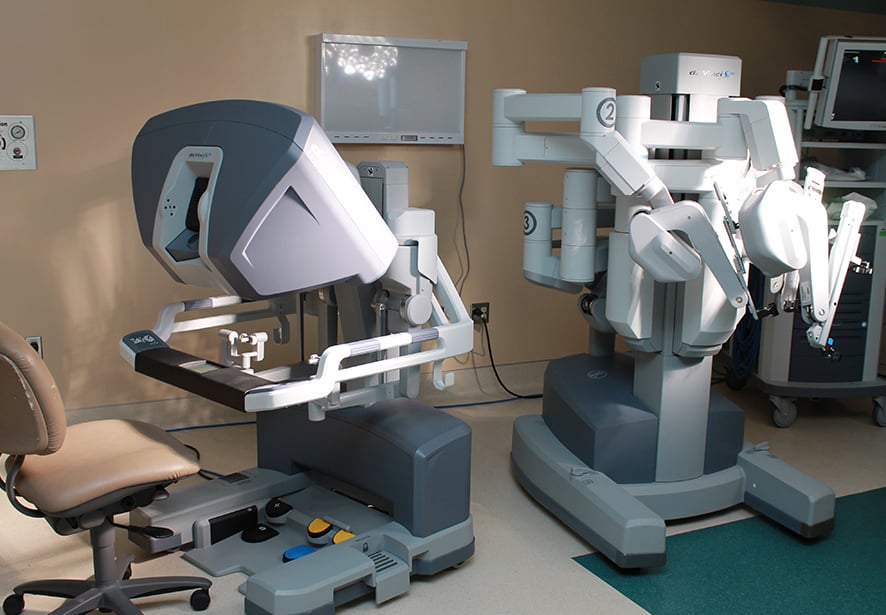
When appropriate, Reid surgeons use minimally invasive techniques that require smaller incisions than open surgery. Some procedures use the da Vinci Surgical System, which provides a magnified view and precise tools. Benefits may include less pain, smaller scars, a shorter hospital stay, and a faster recovery. These options aren’t right for every condition. Your surgeon will recommend the safest approach for you.