Aortic Stenosis
At Reid Health, we offer specialized care for aortic stenosis from trusted local providers who know our community. With accredited labs and expert knowledge, we provide top-notch care close to home.
Expert care for aortic stenosis
Living with a heart valve disease like aortic stenosis can be difficult. It often makes you feel tired, short of breath, and unsure about your health. It’s important to get prompt medical help by working with your primary care provider to develop a plan. Finding out about the problem early and getting treatment from specialists can make a difference in how you feel.
What is aortic stenosis?
Aortic stenosis occurs when the aortic valve narrows, making the heart work harder to supply blood and oxygen. Although there are many causes, one of the most common is the natural aging process. According to the American Heart Association, more than 1.7 million people older than age 65 have severe aortic stenosis. With timely valve replacement, we can dramatically improve outcomes.
why choose ried health
Your heart is in the right place
The cardiologists and heart specialists at the Reid Health Heart & Vascular Center in East Central Indiana and West Central Ohio offer high-quality, community-based care for aortic stenosis on par with anything you’ll find in a major metropolitan area.
You have access to advanced aortic stenosis treatments designed to reduce recovery times and get you back to life faster, all delivered by providers you know and trust.
You don’t have to travel far to find to find exceptional heart care.
Aortic stenosis symptoms
Older adults often dismiss symptoms of aortic stenosis as just normal aging. If you or someone you know experiences these symptoms, it's important to reach out to a primary care provider. Be aware of these symptoms:
- Becoming less active because it’s harder to walk, stand, or sleep
- Chest pain
- Feeling dizzy or lightheaded, fainting, or passing out
- Shortness of breath or trouble breathing that becomes significantly worse with physical activity
- Swollen ankles
- Swollen feet
- Unusual fatigue
Risk factors of aortic stenosis
Recognizing the risk factors of aortic stenosis is important for taking charge of your heart health. By understanding these factors, you can make choices that support a healthier future. Your heart deserves the best care, and being informed is a great start.
- Older age: Aortic stenosis is most often diagnosed in people aged 65 and older. According to the American Heart Association, more than 20% of older people have age-related aortic stenosis, although they might not realize it. Although the condition generally develops after age 60, symptoms can show up later, between ages 70 and 80.
- Sex: Aortic stenosis occurs more often in men than in women.
- A history of rheumatic fever: Strep throat and scarlet fever that aren’t properly treated can develop into rheumatic fever, which can cause aortic valve damage five to 10 or more years later. Rheumatic fever is becoming less frequent in the United States, so it is a less common cause of aortic stenosis.
- Bicuspid aortic valve: This is a heart valve-related birth defect in which only two cusps (flaps) develop instead of three. It’s the primary cause of aortic stenosis in young people.
Diagnosing aortic stenosis
Heart specialists use a stethoscope during routine checkups to listen for abnormal heart sounds that might indicate aortic stenosis. This approach can help identify potential issues such as low blood pressure or irregular pulse.
Diagnostic tools used to detect aortic stenosis include:
- ECG (echocardiogram)
- Exercise stress test
- Left cardiac catheterization
- MRI
- Transesophageal echocardiogram (TEE)
TAVR for aortic stenosis
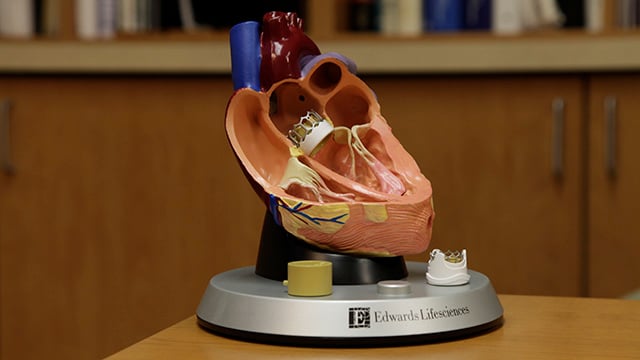
Reid Health offers a less invasive option for treating aortic stenosis with transcatheter aortic valve replacement (TAVR). This procedure usually takes under two hours and involves inserting a replacement valve using a catheter, often allowing you to leave the hospital within one to three days.
After a brief recovery, follow-up office visits and echocardiograms will help your recovery stay on track. Many people can get back to work in just two to six weeks, enjoying a quicker recovery with less risk than traditional open-heart surgery.