Ablation
Struggling with unsightly varicose veins? Reid Vascular Surgery offers personalized ablation treatments to enhance your appearance and alleviate discomfort, all close to home.
A solution for unsightly varicose veins
Varicose veins can develop when veins have damaged or weak walls or valves. Usually occurring in the legs just under the skin, varicose veins appear twisted or swollen and can cause discomfort. Ablation is a minimally invasive treatment for varicose veins.
Ablation uses laser or radiofrequency energy to heat and close abnormal veins, redirecting blood flow to healthier veins. You can have it done in a vein specialist's office and go home the same day.
Why choose Reid Health?
The right place for vein care
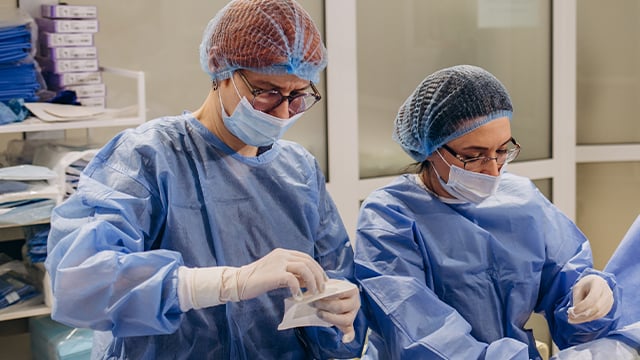
The vein experts at the Reid Vascular Surgery provide comprehensive solutions for varicose veins. Using advanced technology, our team is equipped to perform minimally invasive procedures that effectively address vein-related issues.
From your initial consultation to post-procedure follow-ups, we prioritize your comfort and convenience. Our specialized staff will guide you through the latest treatment options, tailored to meet your individual needs, so you can enjoy improved vein health and a better quality of life.
What happens during and after an ablation?
During an ablation, your provider might spread a numbing cream over the varicose veins to reduce pain. After sterilizing the area, the provider makes a very small incision in the skin and inserts a thin tube called a catheter. Using ultrasound guidance, your provider places the catheter in the faulty vein and injects a local anesthetic, causing the vein to collapse. Next, a radiofrequency electrode inserted through the catheter delivers heat to the vein. The procedure usually takes an hour or less.
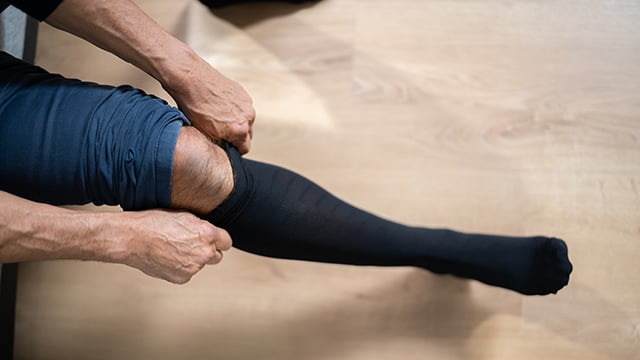
You'll feel slight pokes and some pressure when the catheter is inserted, but you shouldn't experience significant pain or discomfort. After an ablation, you'll need to wear a compression stocking, which reduces side effects such as bruising and tenderness. It also lowers the risk of blood clots, a rare complication.
Within one week of the procedure, the treated vein should successfully close. Your provider will likely order a follow-up ultrasound to ensure the ablation was successful.
Most people can return to their normal activities immediately following the procedure. The only exceptions are air travel or other activities that involve prolonged sitting, such as long car trips. Your provider will also encourage you to stay active while avoiding strenuous activity for a period.
In some cases, ablation procedures successfully treat the varicose vein, but smaller surrounding veins require additional treatments, such as:
- Phlebectomy: A procedure that removes smaller varicose veins just under the skin
- Sclerotherapy: A procedure that seals off varicose veins using liquid or foam chemicals
Ablation
Compression socks before and after an ablation
Compression socks play an essential role in the ablation process. Before the procedure, your provider may recommend them to help lessen symptoms such as swelling, discomfort, or aching caused by varicose veins. Following treatment, wearing compression socks helps promote proper blood flow, reduces swelling, and supports the healing process.
Compression socks are conveniently available at Reid Home Medical Equipment, located on the Reid Health campus in Richmond.
Who is a candidate for an ablation?
An ablation is an option for many patients with varicose veins that cause symptoms that interfere with daily activities. Getting treatment as early as possible can prevent the veins from getting worse or developing complications, such as bleeding and sores.

Heart & Vascular Care
Preparing for surgery
Preparation is key to a successful surgery and recovery. From what to bring to what to avoid, following pre-surgery instructions can make all the difference. Discover the simple steps to get ready for your procedure.