Watchman Device
Leave blood thinners behind with WATCHMAN, the one-time, minimally invasive procedure available at Reid Health for people with non-valvular atrial fibrillation (AFib).
Leave blood thinners behind
Living with non-valvular atrial fibrillation (AFib) means living with an increased risk of stroke. For many people, lowering their stroke risk requires taking blood thinners, often for life. These medications offer protection against strokes, but they can be costly and might increase bleeding.
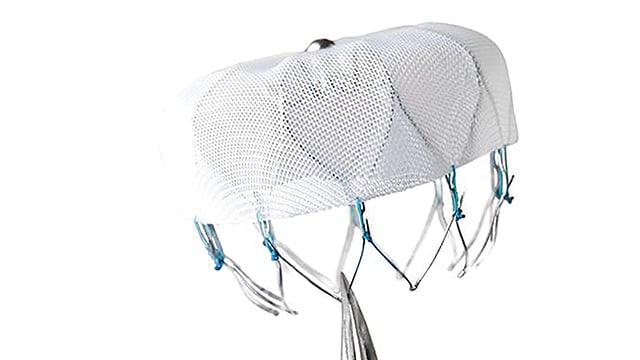
The WATCHMAN device offers a life-changing option, especially if you need blood thinners but can't take them long-term. Smaller than a quarter, the WATCHMAN requires a single, minimally invasive procedure. Once in place, it helps reduce blood clots and could potentially free you from blood thinner medications and their complications — and lower your risk of stroke.
Why choose Reid Health
Your heart is in the right place
Cardiologists at the Reid Health Heart & Vascular Center have the experience and expertise you need when determining if the WATCHMAN device is right for you.
You'll benefit from a team that stays with you from diagnosis through recovery, and you have access to Reid’s comprehensive cardiopulmonary rehabilitation program to help you return to daily life after your WATCHMAN procedure. Our dedicated cardiologists, nurse practitioners, and rehab therapists are with you from your first visit to recovery and beyond.
Who is the WATCHMAN device for?
The WATCHMAN device might be right for you if you meet these criteria:
- You have AFib not caused by a heart valve problem
- Your provider has recommended you take blood-thinning medications
- You can't take warfarin and need an alternative
Who is WATCHMAN not recommended for?
The WATCHMAN might not be recommended for you if:
- You cannot take oral blood thinners, aspirin, or medications to prevent blood clots
- You can’t have heart catheterization procedures
- Your heart’s anatomy won’t fit the WATCHMAN device
- You have an allergy or sensitivity to nickel, titanium, or other materials in the WATCHMAN device
- You need to take blood thinners for reasons other than reducing stroke risk

Heart & Vascular Care
Want to see if WATCHMAN is right for you?
Take two minutes to find out if you might benefit from the WATCHMAN device — and get started on a path to freedom from lifelong worries about strokes and bleeding.
Download a free WATCHMAN Guide
Learn more about this innovative procedure, including whether it’s right for you and what your journey may look like.
The WATCHMAN procedure: What to expect
You and your cardiologist will make the decision to get WATCHMAN together. You’ll discuss what's important to you, your goals, and the procedure’s risks and benefits.
The WATCHMAN procedure is done under general anesthesia and takes less than two hours. First, your surgeon inserts a narrow tube through a small cut in your upper leg. Then, they guide the WATCHMAN device through the tube and into position in the left atrial appendage (LAA) of the heart. The WATCHMAN device closes off the LAA — the area where most stroke-causing blood clots start.
After the procedure, you might need to stay in the hospital overnight but can likely leave the next day. A full recovery generally takes six weeks.
Our team of dedicated providers is here to guide you every step of the way to help you get back to your daily routines as seamlessly as possible.
5x
A person with AFib is five times more likely to suffer a stroke than someone with a regular heartbeat.
96%
96% of patients were able to stop taking their anticoagulant or blood thinner just 45 days after the procedure.
99%
99% of patients were able to stop taking their blood thinner one year after the procedure.