Rhythm Management Center
Experience world-class treatment for abnormal heart rhythms at the Reid Health Rhythm Management Center, conveniently located close to home.
Expert heart rhythm management close to home
If you've ever felt your heart flutter or skip a beat, it can be a worrying experience. You're not alone. Reid Health understands the need to treat heart rhythm problems early before they cause serious, long-term complications. We're here to provide you with the care and support you need right in your own community.
Why choose Reid Health
Your heart is in the right place
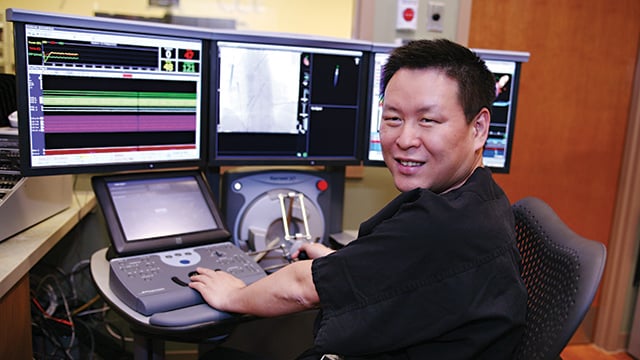
Our Rhythm Management Center specializes in providing personalized care for heart rhythm issues. You’ll receive expert care for your rhythm disorder without having to travel far from home. We offer comprehensive rhythm management care and use the latest technologies, so you can receive the same level of care, right here in East Central Indiana and West Central Ohio, that you’d receive at a major system in a large metropolitan area.
Conditions we treat at the Rhythm Management Center
Our experienced cardiologists and board-certified electrophysiologists treat many common and complex forms of heart rhythm problems, including:
- Atrial flutter: This condition causes your heart to beat too fast but at regular intervals.
- Atrial fibrillation: This condition causes your heart to beat irregularly.
- Bradycardia: This condition causes your heart to beat too slowly.
- Tachycardia: This condition causes your heart to beat very fast, usually more than 100 beats per minute. Tachycardia is often caused by another heart condition.
Treatments available at the Rhythm Management Center
Your heart’s electrical system needs specialized care. At the Rhythm Management Center, you’ll meet with our electrophysiologists — cardiologists who specialize in irregular heart rhythms — to learn what type of disorder you have and understand your treatment options. We offer the latest treatments for these conditions, and our local care means you can receive ongoing treatment and follow-up care from providers you trust.
Pacemakers
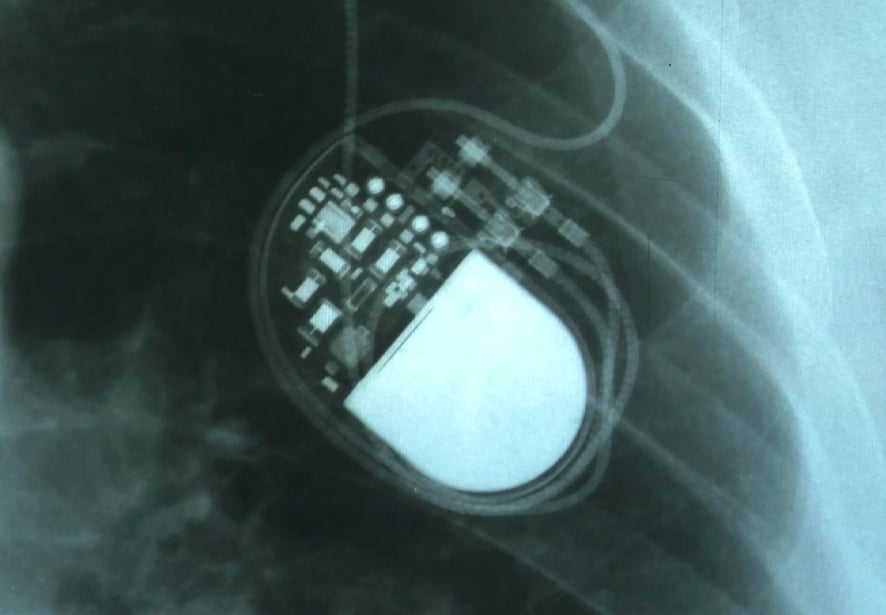
A pacemaker is a device that sends electrical signals to your heart, helping it maintain a regular rhythm. Pacemakers are primarily used to treat slow heart rates. Your doctor will choose the right type for you based on your heart condition.
WATCHMANTM device
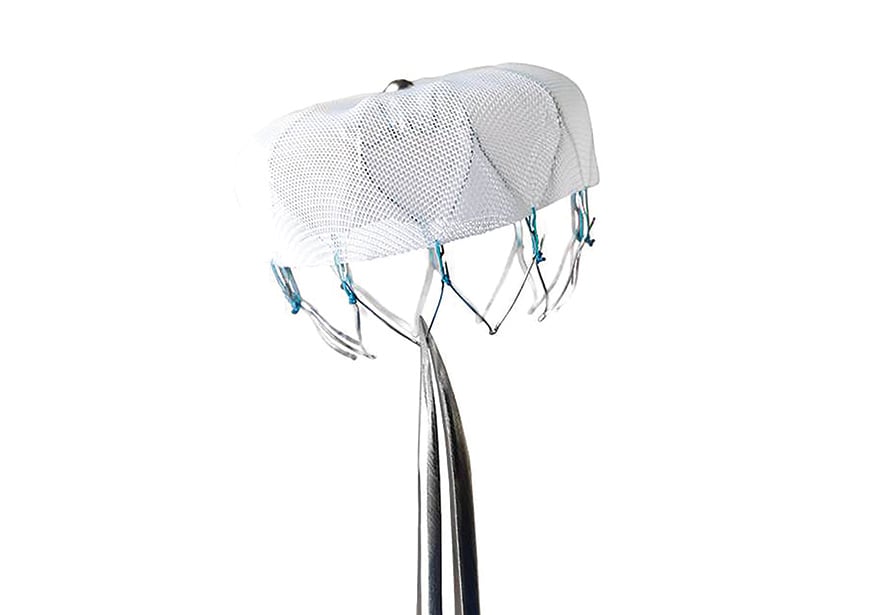
The WATCHMAN device offers an option for life without blood thinners for people with certain types of atrial fibrillation (AFib). It’s a small implant that prevents blood clots in a specific part of the heart, reducing the risk of stroke — a common concern for people with AFib.
Catheter ablation
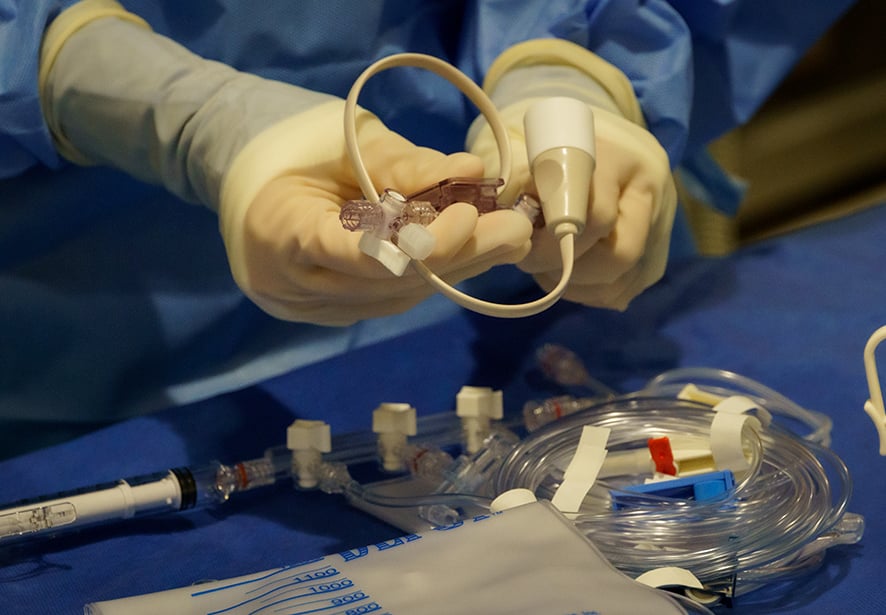
Catheter ablation helps treat irregular heartbeats. During the procedure, doctors use thin tubes called catheters to send energy to areas in the heart that are causing an abnormal heart rhythm. We offer many types of ablation at the Heart Rhythm Center.
Other specialized treatments we offer
We offer high-quality care conveniently located near you, providing easy access to the medical services you need without the hassle of long commutes or extensive travel. Our range of specialized treatments includes:
- Cardioversion: A medical procedure used to restore a normal heart rhythm in cases of arrhythmia, often achieved through electrical shock or medication.
- Echocardiogram: An ultrasound test that visualizes the heart’s structure and function, helping diagnose various heart conditions.
- Electrocardiogram: A test that measures the electrical activity of the heart over a period of time, used to diagnose heart diseases.
- Electrophysiology study: A specialized test that assesses the electrical activity of the heart to identify abnormal heart rhythms and guide treatment.
- Heart monitors: Devices used to continuously track and record the heart’s electrical activity to detect any irregularities.
- Head upright tilt test: A diagnostic test used to assess how well the heart and blood vessels respond to changes in posture, particularly in cases of unexplained fainting.
- Implantable cardioverter defibrillator: A device implanted in the chest that monitors heart rhythms and delivers shocks if a life-threatening arrhythmia is detected.
- Lifevest: A wearable defibrillator that continuously monitors heart rhythms and can deliver shocks if a dangerous rhythm is detected, providing temporary protection for high-risk patients.