Atrial Fibrillation
Discover expert atrial fibrillation (AFib) care at Reid Health, featuring advanced technology, close to home from providers you know and trust.
Expert local care for atrial fibrillation
If your heart isn’t beating properly, it’s important to find out why. An irregular heartbeat, such as AFib, can put you at risk of developing numerous health problems.
What is atrial fibrillation?
AFib is a serious condition where the heart's upper chambers, known as atria, quiver instead of beating regularly. Without treatment, AFib can lead to blood clots, heart failure, and stroke.

why choose reid health
Your heart is in the right place
At Reid Health Heart & Vascular Center, we’re dedicated to helping people with AFib throughout East Central Indiana and West Central Ohio manage their symptoms and reduce further damage.
Atrial fibrillation symptoms
AFib could happen in brief episodes or become a permanent condition. People who have AFib might experience several symptoms, including:
- Abnormal heartbeat, which can feel like a rapid heartbeat, a fluttering heart, or a pounding heart
- Chest pain
- Dizziness
- Shortness of breath
- Unusual fatigue
AFib treatments at Reid
If you have AFib symptoms, treatment can help repair the heart's electrical system, often through lifestyle changes, medication, or minimally invasive surgery.
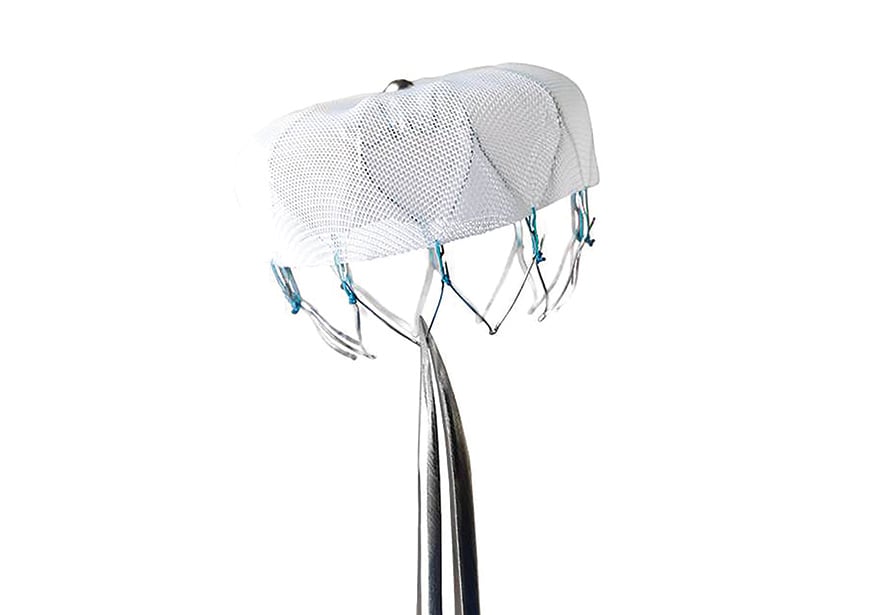
WATCHMAN™ device
Reid’s heart and vascular specialists provide the WATCHMAN device to help lower the risk of strokes for people with AFib symptoms. This device seals off a small part of the heart where blood clots often form. It's a simple procedure that offers a good option for AFib patients who can't take blood thinners because of their side effects.

Catheter ablation
A short circuit can disrupt a healthy heart’s rhythm, leading to AFib. Providers can use a procedure called ablation, where thin tubes with electrodes deliver energy to the heart, helping restore a normal rhythm.
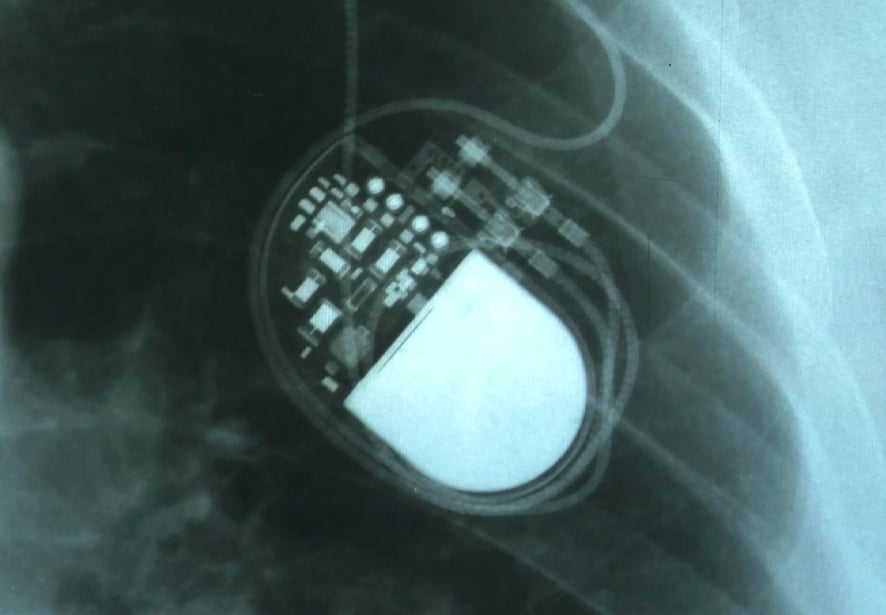
Pacemakers
A pacemaker is a medical device that monitors and regulates heart rhythms. It delivers electrical impulses right to the heart to maintain a regular heartbeat and help reduce symptoms of AFib.
Medications for atrial fibrillation
Reid’s advanced heart procedures can reduce symptoms and help you live better with AFib. If surgery isn’t right for you or you would prefer to avoid it, your provider can prescribe medications for AFib. These include:
- Beta-blockers
- Blood thinners
- Calcium channel blockers
- Digitalis or digoxin
Other treatments for AFib
AFib can also be managed through lifestyle adjustments, including:
- Avoiding alcohol and caffeine
- Becoming physically active
- Getting to and maintaining a healthy weight
- Managing stress
- Reducing sodium in your diet
- Quitting smoking