Heart and Vascular Testing
To diagnose a heart problem, you need a good understanding of what’s happening. At the Reid Health Heart & Vascular Center, advanced testing helps us get that information.
Testing to identify risk and diagnose heart problems
Many medical conditions cause noticeable symptoms, but that isn’t always the case for heart problems. Some issues can lurk under the surface until they cause serious health problems.
Heart and vascular testing plays an important role in providing cardiovascular care. Advanced tests can help us identify your risk of developing heart disease and accurately diagnose heart and vascular diseases when they occur.
Our experienced providers use a full spectrum of heart and vascular technologies, including state-of-the-art cardiac imaging, to diagnose your condition. That means you get the answers you need to move forward with treatment for your heart condition, without having to go far from home.
Heart and vascular testing available at Reid
Heart and vascular testing ranges from simple, everyday tests like blood pressure checks to advanced imaging scans that capture images of your heart.
These tests can offer your provider a good look at how well your heart and blood vessels are working. Based on the findings, your provider can make a diagnosis and choose the right treatment.
Cardiac catheterization
Cardiac catheterization involves small tubes called catheters to diagnose and sometimes treat blockages in the coronary arteries. This procedure is performed in the cardiac catheterization lab.
During the procedure, your provider inserts a catheter into the body through the wrist, neck, or groin, and sends it to your heart. Once the catheter is in place, your provider might inject contrast dye into your arteries so X-rays can capture detailed images of the heart and arteries and identify blockages.
If your provider finds a blockage, they can perform an angioplasty. This procedure opens up the blocked artery using a mesh tube called a stent that keeps the artery open.
Coronary imaging tests
Imaging scans can be used to get a good look at what’s happening in the heart and coronary arteries, including how well blood flows. There are many types of imaging tests:
- Cardiac CT scan: This uses X-rays to create 3D images of the heart and blood vessels.
- CT cardiac scoring: This type of CT scan may be used to look for calcium buildup in the arteries. Calcium buildup can be a sign of plaque, which can increase your risk of a heart attack.
- Cardiac MRI: This imaging test uses radio waves and magnets to capture images of the heart muscle and structure.
- Echocardiogram: This test uses sound waves to create moving pictures of the heart, showing how well it’s pumping blood.
- Myocardial perfusion scans: This is a type of cardiac stress that measures how well your heart works when it’s under stress. The test uses a small amount of radioactive material to show how well blood flows from the arteries to the heart.
Electrocardiogram
You may have heard this test called an EKG or ECG. An electrocardiogram is a painless test that records your heart’s electrical activity.
The heart’s electrical system stimulates the heart to pump. An EKG can identify whether it’s working properly to keep your heartbeat regular and steady.
This test can also be used to identify abnormal heart rhythms, where your heart is beating too fast, too slow, or irregularly.
Exercise stress test
This type of cardiac stress test is used to see how well the heart works when you’re exercising. Using electrodes placed on the chest and a blood pressure cuff, a provider can monitor the heart’s function while you walk on a treadmill or ride a stationary bike.
Other heart tests, such as an electrocardiogram, an echocardiogram, or cardiac MRI, may be performed during or after an exercise stress test to provide your cardiologist with additional information about your heart.
Heart monitoring
Heart monitors are portable EKGs that measure your heart’s electrical activity over a few days or weeks. There are different types of heart monitors, and your provider will recommend one based on your symptoms, how often you have them, and other factors.
As you wear your heart monitor, the device records the heart’s electrical activity. Your provider might ask you to keep a symptom diary to see if irregular rhythms or beats are related to certain activities or times of day. When you return the monitor, your provider can see how your heart works during normal activities and when you’re at rest.
Tilt table testing
Providers often recommend this test for people with dizziness or fainting that a heart condition might be causing. During a tilt table test, you lie flat on a table that’s raised and then lowered back down. Your provider monitors your heart rate, blood pressure, and other vital signs during the test to see when and how they change. The results can help them pinpoint what’s causing your symptoms.
[No text in field]
Heart scans
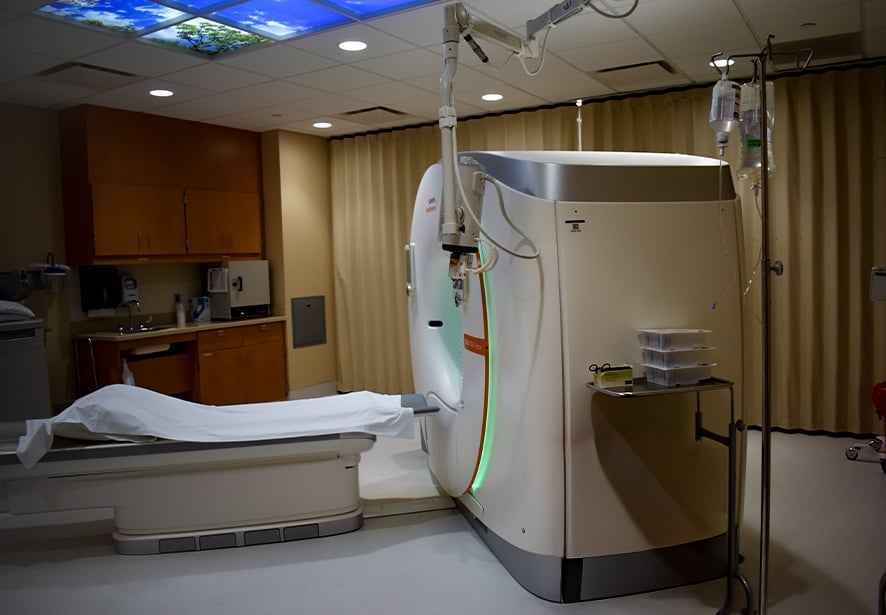
A CT heart scan is a 15-minute test that identifies soft plaque within the arteries. Plaque can be an early sign of heart disease, heart attacks, or another issue.
You may need a heart scan if you:
- Are age 40 (man) or 50 (woman)
- Are overweight
- Have a family history of heart issues
- Have diabetes
- Have high cholesterol or high blood pressure
- Smoke currently or have previously smoked
Vascular imaging tests
Just as imaging scans can be used to diagnose problems with your heart, imaging tests can also help identify vascular diseases that affect your veins and arteries. Vascular imaging tests might include:
- MRI and CT scans: These imaging studies capture images of blood vessels throughout the body, including the aorta (the main artery in your body), arteries in your kidneys, and peripheral arteries (which carry blood from your heart to your hands, arms, legs, and feet).
- Ultrasound: This type of imaging uses high-frequency sound waves to create images of your arteries. A duplex ultrasound may be used to show how well blood is flowing.

Vascular screening
A Vascular screening is a set of noninvasive tests used to determine your risk of developing three vascular diseases: stroke, aneurysm, and peripheral artery disease.
The screening includes:
- Ankle-brachial index: This test compares blood pressure at the ankles to blood pressure in the arms, checking for blockages in the peripheral arteries.
- Aortic aneurysm ultrasound: This test looks for weak or bulging spots in the abdominal aorta.
- Carotid artery ultrasound: This test is used to look for blockages or narrowing in the carotid arteries, which supply blood to the brain.
Your cardiologist or primary care provider can advise you about whether a vascular screening would be appropriate based on your age and health.