TAVR: Transcatheter Aortic Valve Replacement
Thanks to TAVR — a minimally invasive solution at Reid Health Heart & Vascular Center — open-heart surgery isn't your only option for overcoming aortic stenosis.
Life-changing care for aortic stenosis, close to home
Transcatheter aortic valve replacement (TAVR) is a revolutionary procedure that treats aortic stenosis without the need for open-heart surgery — and it’s available in East Central Indiana and West Central Ohio at Reid Health Heart & Vascular Center.
A minimally invasive procedure that takes only a few hours, TAVR can prolong your life and help you avoid the life-limiting symptoms caused by aortic stenosis. At Reid Heart & Vascular Center, TAVR has a 95% success rate for treating the condition. Symptoms can improve in as few as 30 days after the procedure.
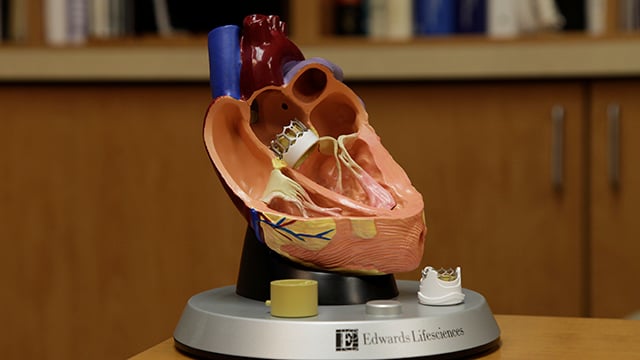
Why choose Reid Health?
Your heart is in the right place
The TAVR program at Reid uses a team approach to care that places you at the center. We inform you of all your options and work with you to make sure TAVR is the right treatment for you. If it isn’t, we help you find the treatment that's best for your needs.
From diagnosis to treatment and recovery, you have the same surgeons, nurses, and support staff by your side. This makes it easy for your team to keep up with your progress.
Our goal is ensuring you receive the best care possible before, during, and after the procedure.
TAVR and aortic stenosis
Aortic stenosis causes the aortic valve to narrow, which slows blood flow and leads to symptoms ranging from dizziness and feeling tired to heart palpitations and chest pain. If aortic stenosis isn’t treated, you could develop heart failure, pulmonary hypertension, atrial fibrillation, and even strokes.
You can avoid those symptoms and potentially life-changing conditions with TAVR. The procedure allows your heart specialist to replace your damaged aortic valve through small incisions, rather than open-heart surgery, a common treatment for people with aortic stenosis.
The TAVR procedure: What to expect
Getting ready
TAVR can help many people with aortic stenosis find relief from symptoms, but it’s not right for everyone. Once you and your Reid cardiac surgeon decide to move forward with TAVR, you’ll have some imaging and other tests to create a care plan. At this point, you’ll want to determine who your support system will be — they’re an integral part of the process from preplanning to recovery. You and your support person will attend classes taught by nurse practitioners, so you’ll know what to expect when getting ready for and recovering from TAVR.
During and after the procedure
TAVR procedures usually last less than two hours. You’ll be under general anesthesia, which means you’ll be asleep.
Your surgeon will insert a small, thin tube called a catheter into a leg artery. They’ll attach your new valve to a mesh frame, guide it to your heart through the catheter, and set it in place.
Afterward, you might need to stay in the hospital for one to three days as you recover. Your care team will want you to sit upright and possibly start walking a few hours after you wake up from anesthesia to help you regain your strength. Many people can return to work within six weeks of the procedure.
Your care team will recommend cardiac rehabilitation for 12 weeks to help you return to everyday activities.
Life after TAVR
After TAVR, you should enjoy lasting, life-changing relief from your bothersome symptoms. Because every person is unique, it’s not possible to know how long a valve replacement will last. However, attending follow-up visits with your cardiologist will help ease your recovery and help you learn how to protect your new valve — and your heart — for the long term.

Improving quality of life with TAVR
Severe aortic stenosis affects about 3 in 100 people after age 75. Two years after diagnosis, patients who don’t have aortic valve replacement typically have a life expectancy of 50% and experience worsening heart failure and a reduced quality of life.
Get our downloadable guide and learn what to expect before, during, and after TAVR surgery.