Cardiology
When your heart health is at stake, you want care from an expert team. Cardiology specialists at Reid Health Heart & Vascular Center can provide that close to home.
Expert cardiology care for conditions affecting the heart
When your heart is working normally, you might never think about it. But when something goes wrong, your entire body feels the impact.
There are many forms of heart disease, including conditions that affect your blood vessels, heart rhythm, heart chambers, and heart valves. Cardiologists focus on treating those and many other disorders of the heart.
Your heart is in the right place
At Reid Health Heart & Vascular Center, we offer comprehensive cardiology services, from diagnosing your condition to offering surgical and nonsurgical treatments to get it back into shape. We can also help you prevent heart problems if you’re at risk or have a family history of them.
Our cardiology specialists are devoted to providing the high-quality heart care you need, right here at home in East Central Indiana and West Central Ohio.
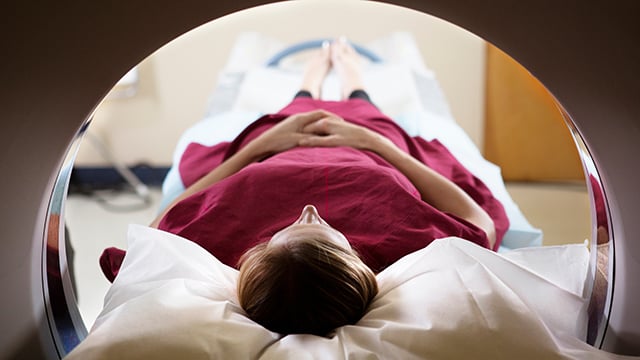
Diagnosing heart problems with world-class technology
An accurate diagnosis is the first step toward treating your heart problem. At the Heart & Vascular Center, our cardiology specialists use imaging scans and other tests to diagnose heart conditions and determine how to best treat them.
These tools include blood tests and blood pressure readings, as well as more advanced tests such as CT scans of the heart and blood vessels, echocardiograms, and electrocardiograms. Cardiac catheterization can also detect blockages in the heart's arteries.
Heart conditions we treat
Our general cardiologists, interventional cardiologists, electrophysiology specialists, and cardiothoracic surgeons offer comprehensive care for a range of heart problems. We treat:
- Angina (chest pain)
- Aortic stenosis
- Cardiac arrest
- Cardiomyopathy
- Congenital heart defects
- Coronary artery disease
- Congestive heart failure
- Heart attack
- Heart disease
- Heart valve problems
- High blood pressure
- High cholesterol
Treatments we offer
Treating disorders of the heart focuses on reducing your symptoms, correcting problems, and preventing future health issues.
Our local cardiologists at the Heart & Vascular Center use advanced treatment options, which might include:
- Angioplasty: This procedure opens blockages in your heart’s arteries (the coronary arteries).
- Cardiac catheterization: This procedure can be used to diagnose and treat blockages in the coronary arteries.
- Cardiac contractility modulation (CCM) therapy: This treatment uses an implanted device to improve the heart’s ability to contract in heart failure patients.
- CardioMEMS Heart Failure System: This implanted device helps people with heart failure communicate symptoms to their provider remotely.
- Implanted devices: These devices — including pacemakers, implantable cardioverter defibrillators, and cardiac loop recorders — support the heart’s function when it’s affected by heart failure or rhythm disorders.
- Lifestyle changes: Changes in your behavior, such as increased physical activity and a heart-healthy diet, could lower the risk of heart disease and slow the progress of existing disease.
- Medications: Over-the-counter and prescription medications might be used to treat symptoms and keep heart problems from worsening. A cardiologist can also prescribe medications for high blood pressure, unhealthy cholesterol, and other heart-related conditions that can increase your risk for heart disease.
- Open-heart surgery: Typically used when other less-invasive treatments aren’t appropriate, open-heart surgeries are procedures that open the chest to access the heart.
- Repairs of congenital heart defects: These procedures include ASD, VAD, and PFO closures.
- Stenting: This procedure can be used during angioplasty to keep an artery open after removing a blockage.
- Valve replacement or repair: This could include transcatheter aortic valve replacement (TAVR), which is used to treat aortic stenosis, a narrowing of the aortic valve.
The follow-up care you need to protect your heart
If you’ve been diagnosed with a heart condition or have recently had heart surgery, your cardiologist might recommend you participate in cardiopulmonary rehab. This specialized type of rehabilitation focuses on strengthening and protecting the heart.
Cardiopulmonary rehabilitation features a combination of monitored exercise, health education, nutritional counseling, and supportive services. Participating in cardiac rehab can help you stay healthy in the future, lowering your risk of developing other heart problems.